Cocos (Keeling): Of Another Time
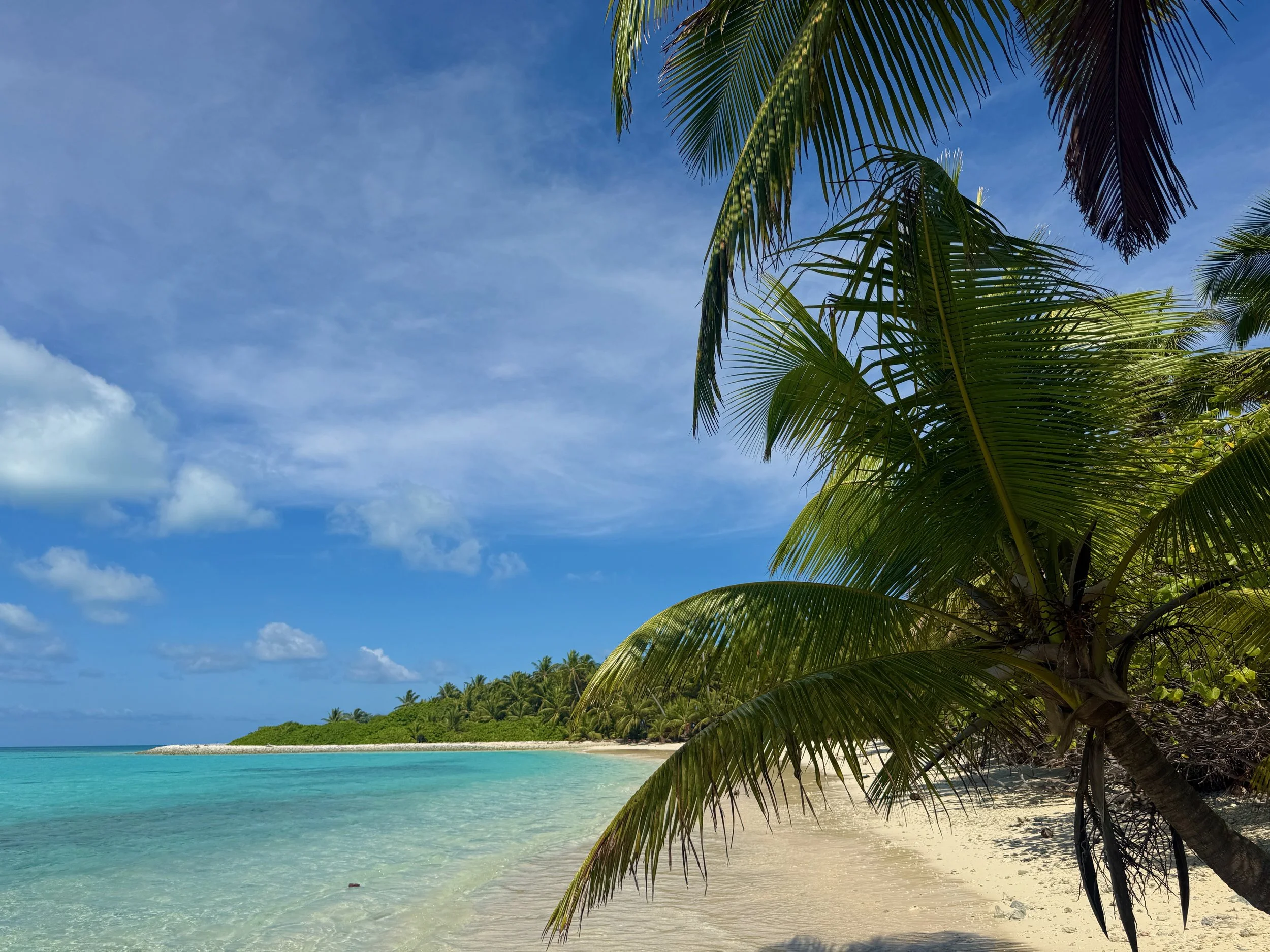
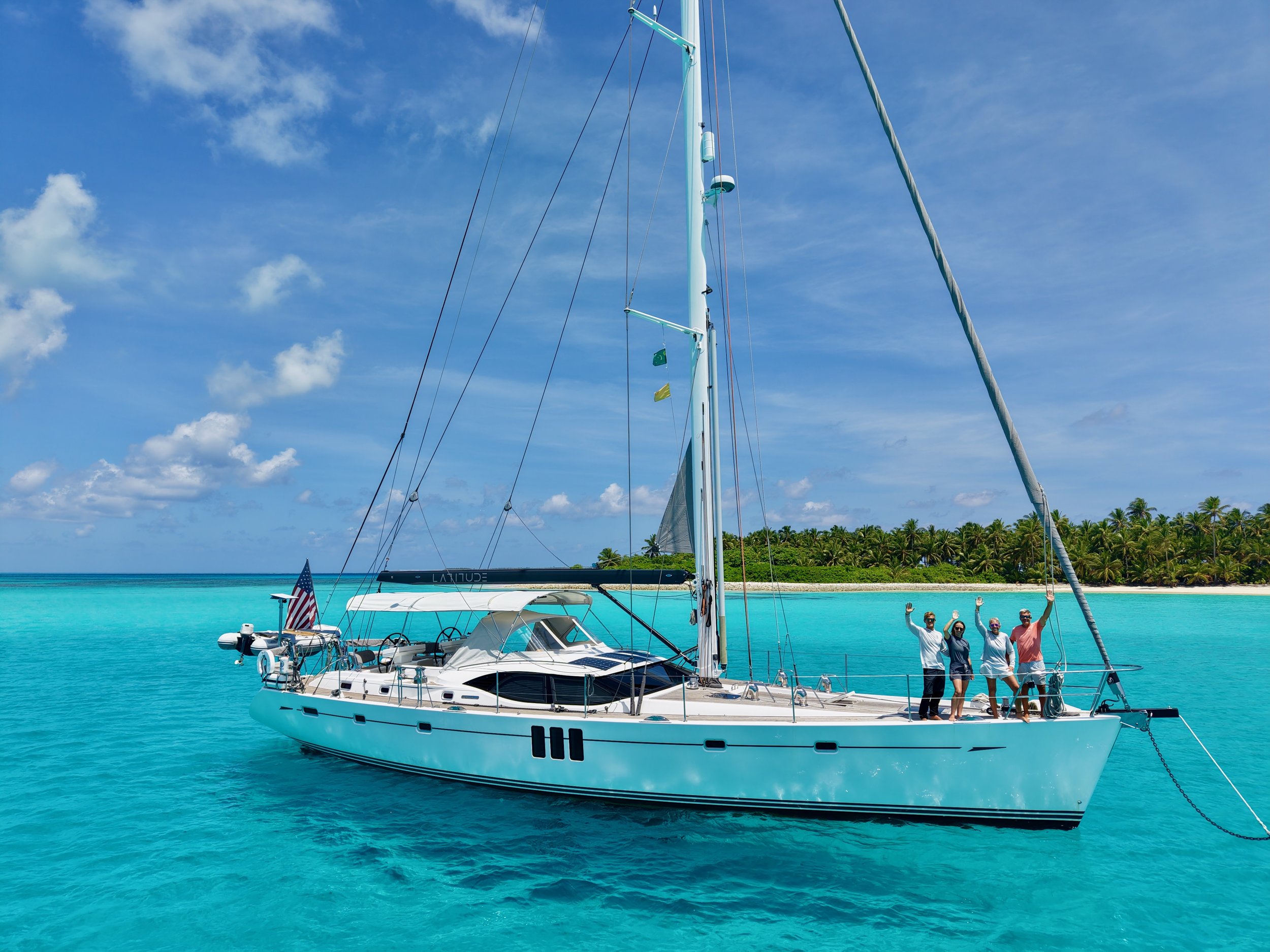
(Greg) The Cocos (Keeling) Islands lie 1200 miles Northwest of Australia and 600 miles off the coast of Sumatra. Very (very) isolated. And, like so many of the breathtakingly beautiful remote atolls we have visited, Cocos (Keeling) is rife with curiosities and anachronisms.
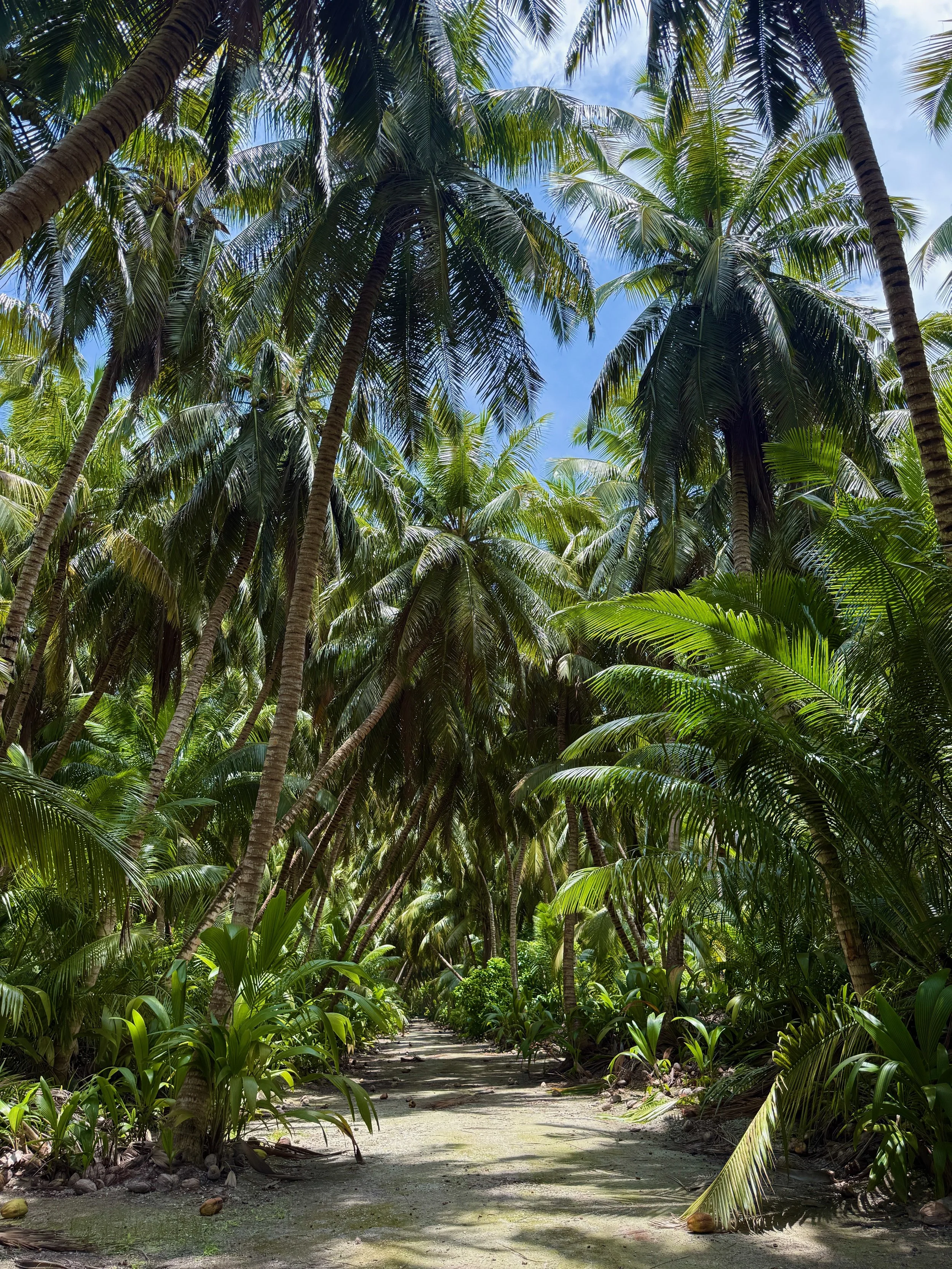
Let’s start with the strange parenthetical. Cocos (Keeling). When the first western colonizers came to lay claim to this set of islands with the intent to create vast coconut plantations, they thought calling the place Cocos would be a good branding play. Turns out, though, that another island had already made the claim to the Cocos brand so this set of Cocos islands would be distinguished by adding the parenthetical (Keeling) to honor the British explorer William Keeling who first charted the atoll in 1609.
It was for more than 150 years a feudal fiefdom held by the Clunies-Ross family who “employed” a full community of Malay workers to harvest and process coconuts. The laws, currency and social structure were all prescribed by The Family. Workers’ wages were paid in Clunies-Ross coins to be spent on rice and supplies in the Clunies-Ross general store. Somehow, these Malay “employees” never saved enough to purchase their ticket off Cocos (Keeling).
Then, in both World Wars, the atoll gained attention from the British and Australians for its strategic geographical position; first as a wireless radio transmission hub and later as a critical re-fueling airstrip. It is the convergence of these two histories that makes Cocos (Keeling) the hive of anachronism it is today.
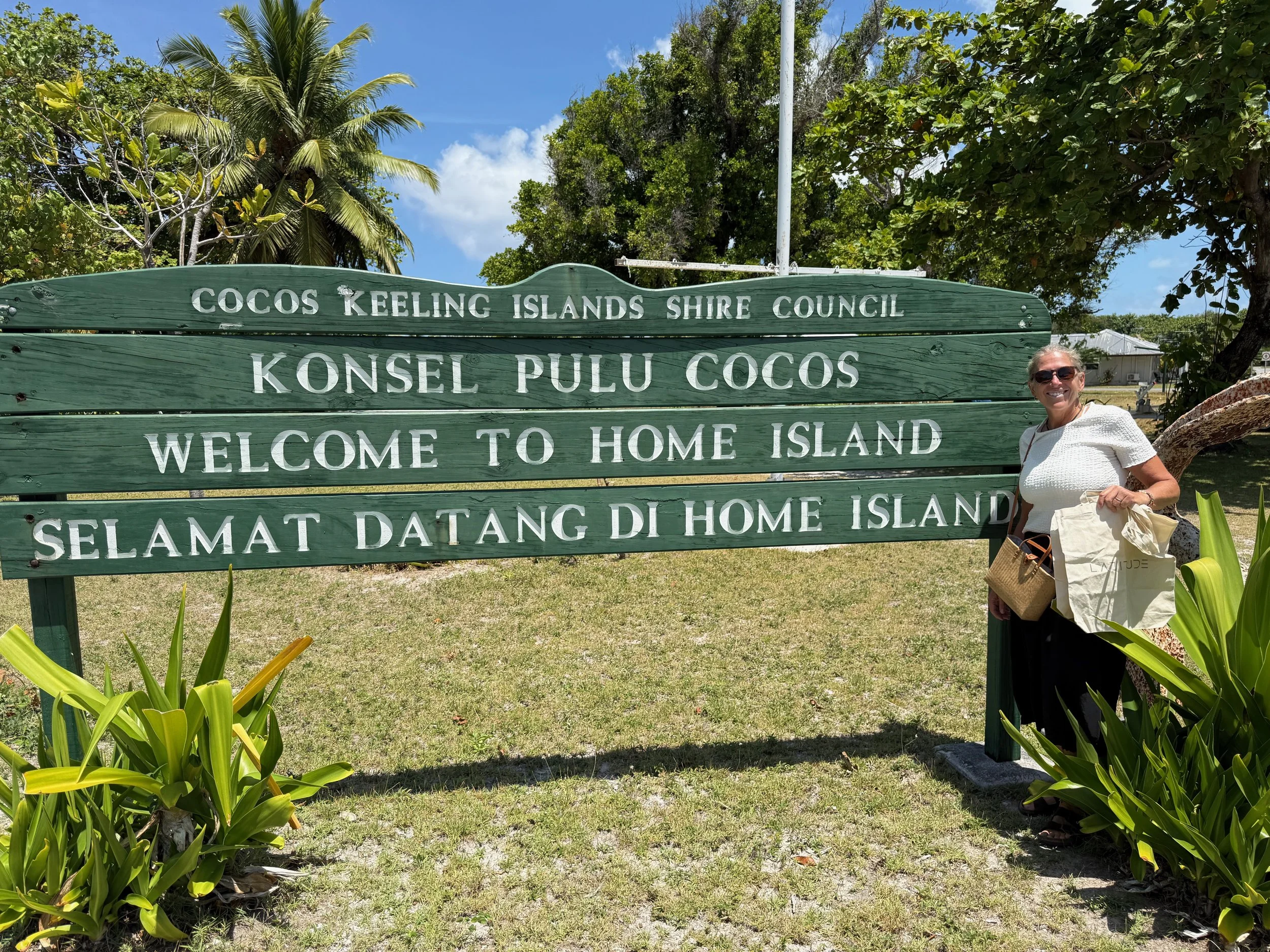
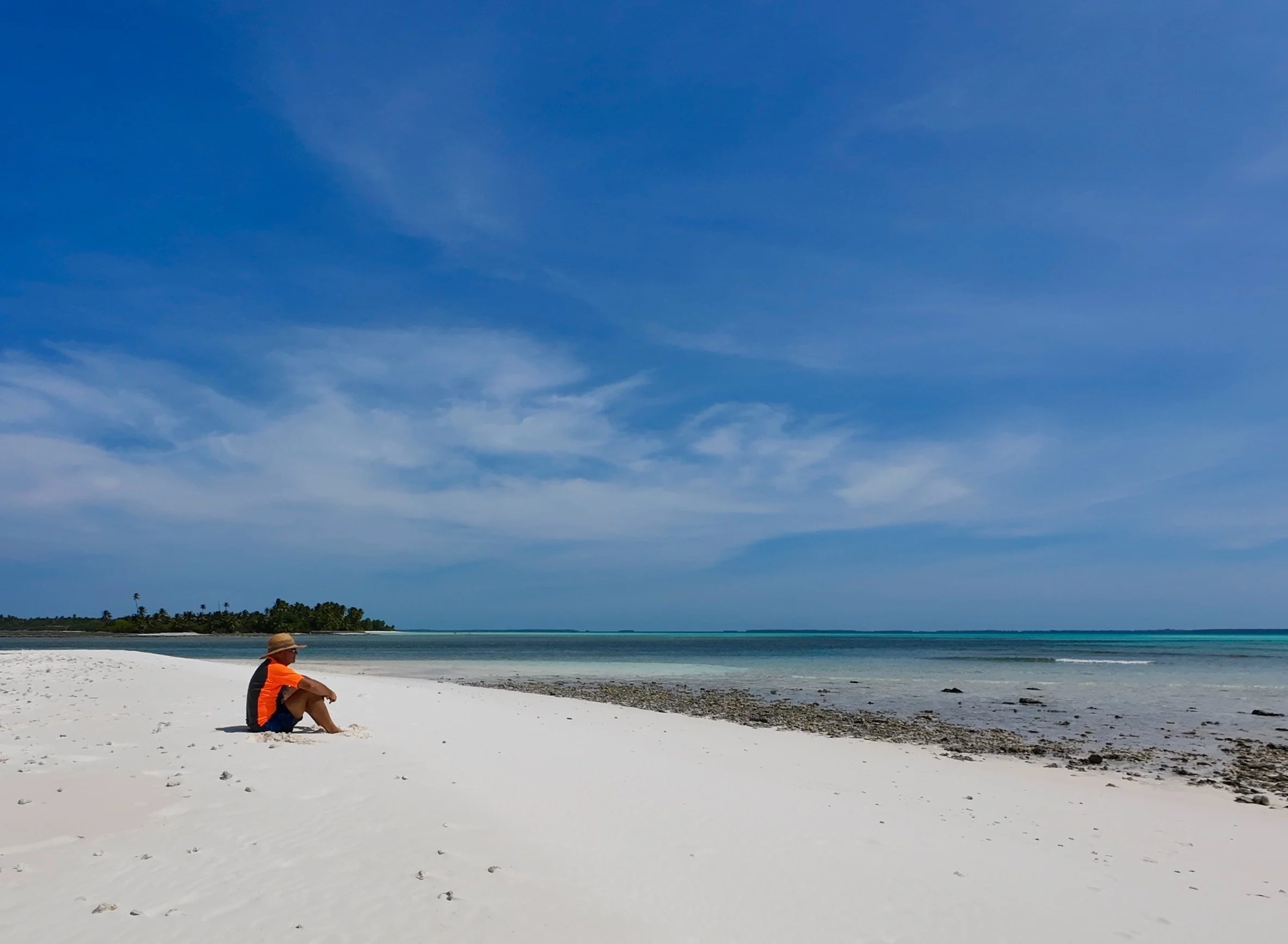
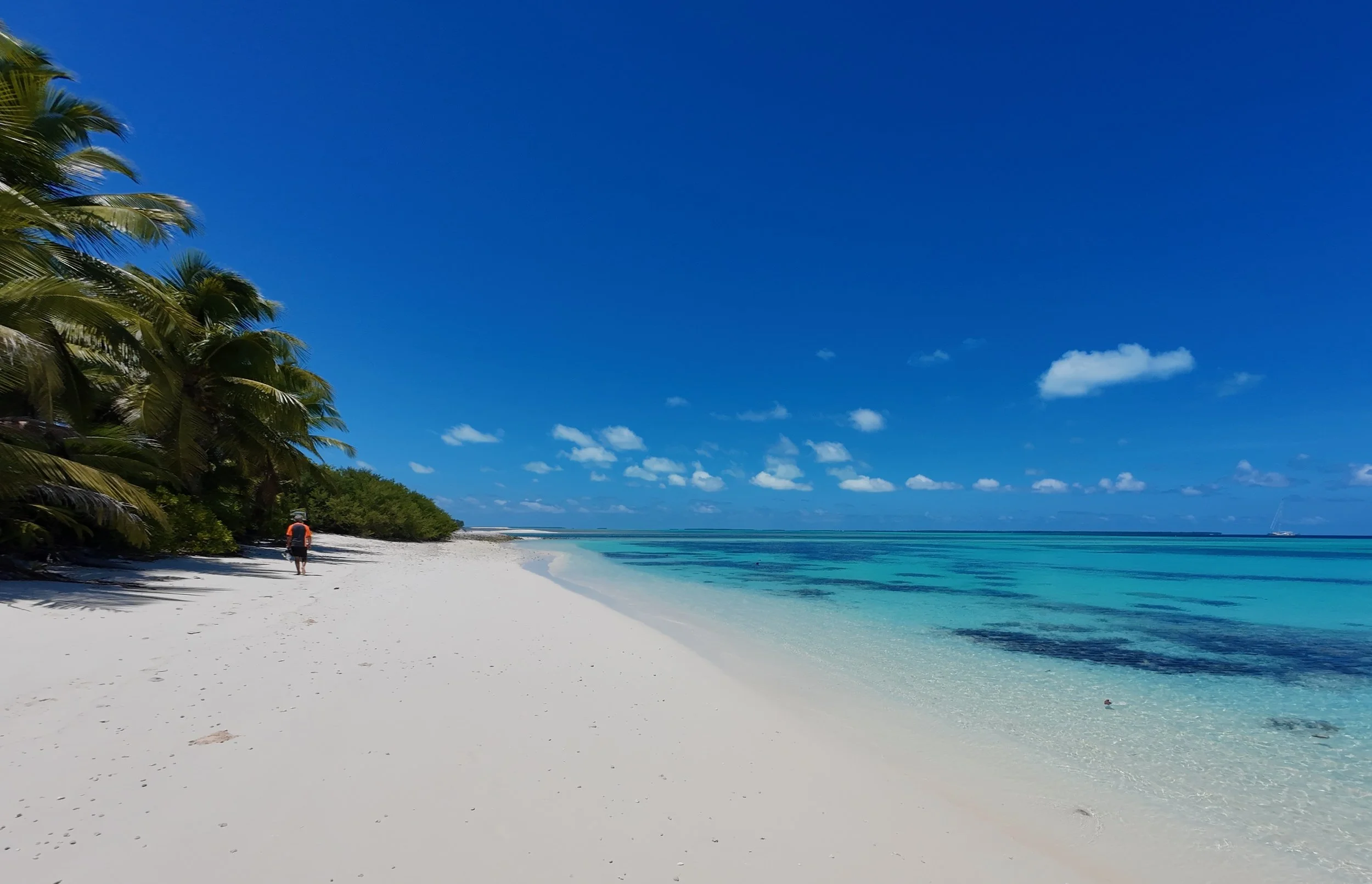
While there are 27 perfect little white sand beach and palm tree islets, only two of the islands are populated by humans. Home Island is home island to the approximately 450 Cocos Malay people – most descendants of the former plantation workers. They are devoutly Muslim; no alcohol on the island, a lovely mosque and most women are very discreetly covered up head-to-toe. Culture revolves around the mosque, fishing and family.
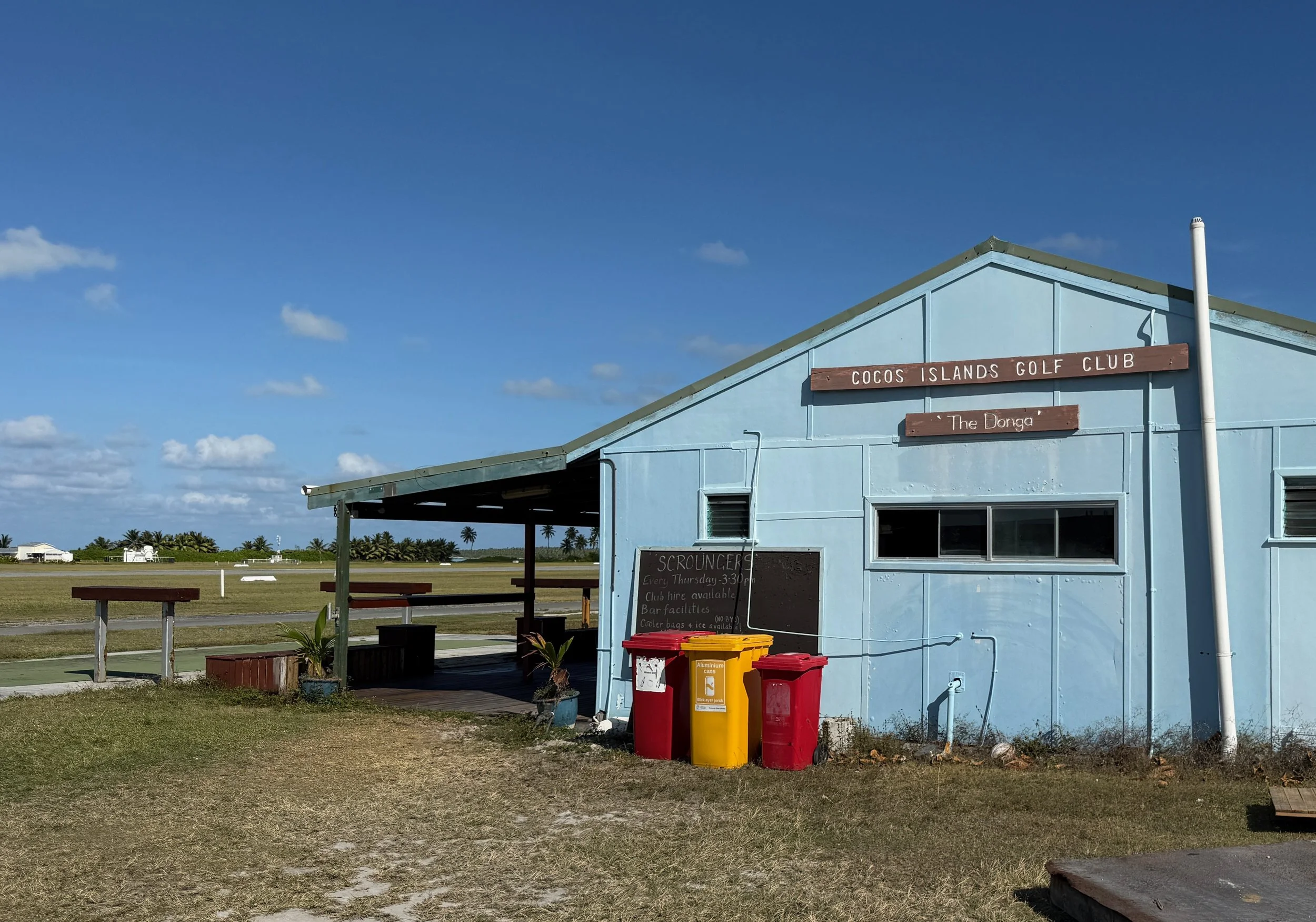
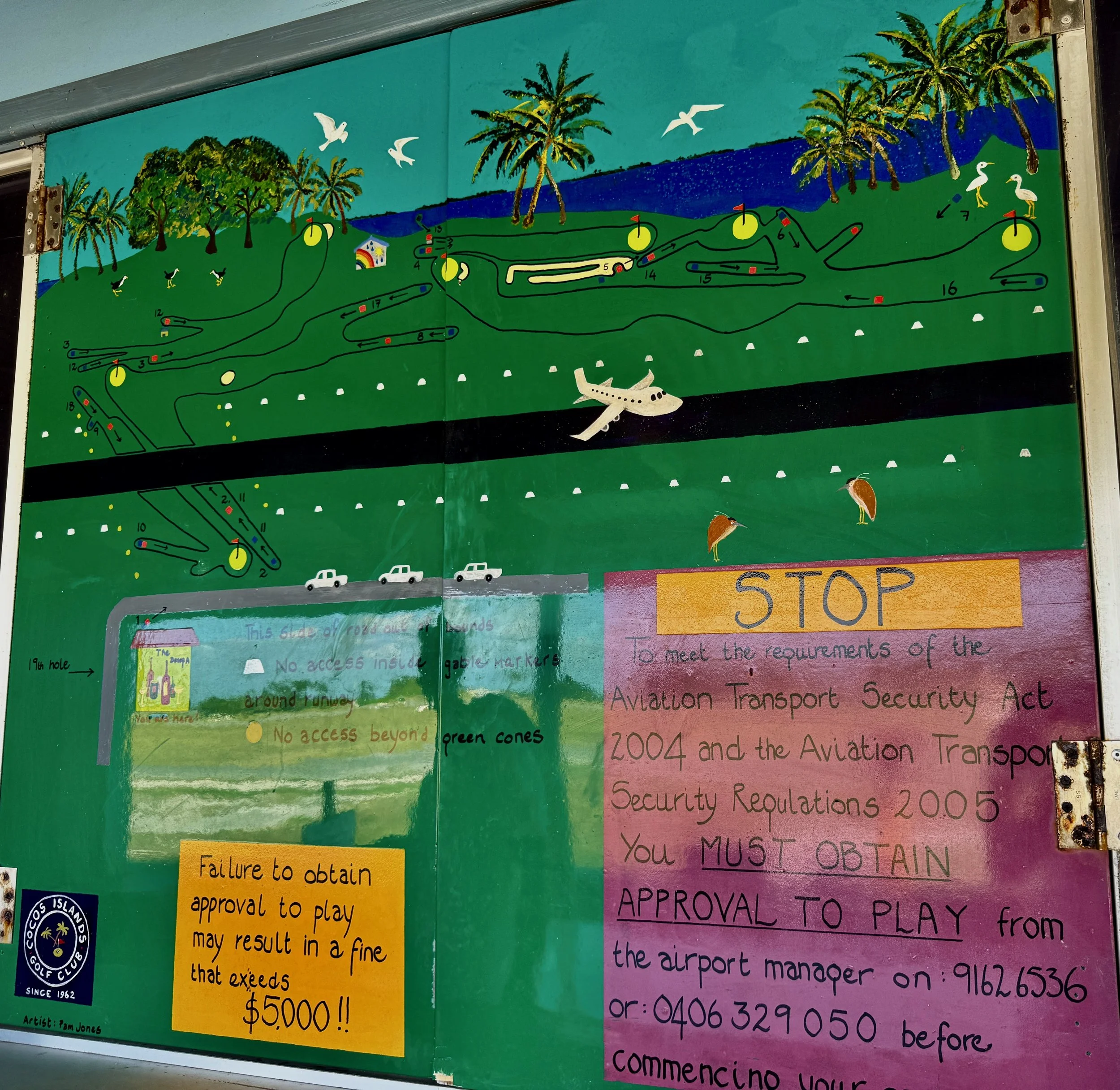
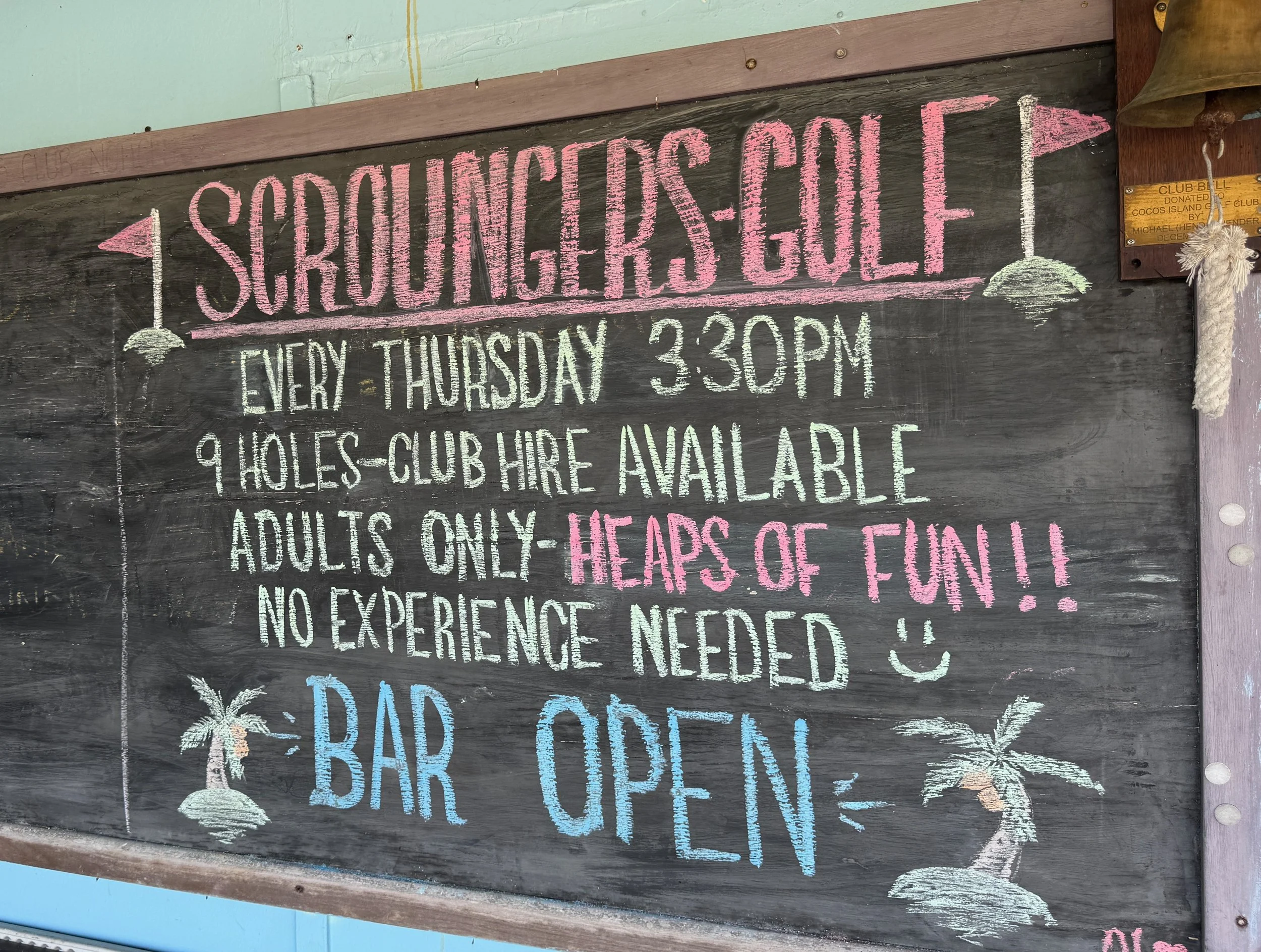
Across the lagoon is West Island where the influence is far more Australian. In 1982, the Cocos Malay people voted in a referendum to become part of the Australian protectorate (good move as the quality of infrastructure suggests the value of being Australian-affiliated). West Island is the “Expat Hub.” Culture here revolves around the tin-roofed pub located just off the airstrip and the 9-hole golf course that quite literally plays around and across the airstrip. It feels like a set from South Pacific or a scene from M*A*S*H with airmen and surgeons replaced by the approximately 150 expats - Aussie bone fishing guides and old retirees who crow to anyone that will listen that they’ve discovered paradise.
If you closed your eyes, shook your head and re-opened, you might not be sure what decade you found yourself in. This is true on both islands. The beauty is unmatched. The distance from the world is, at the same time, liberating and slightly unnerving. The culture clash is separated by a short ferry ride across the lagoon. But everyone knows each other, everyone appears to get along, and everybody is absolutely convinced that they are in the most wonderful place in the world. And for about a week, it’s hard to disagree.