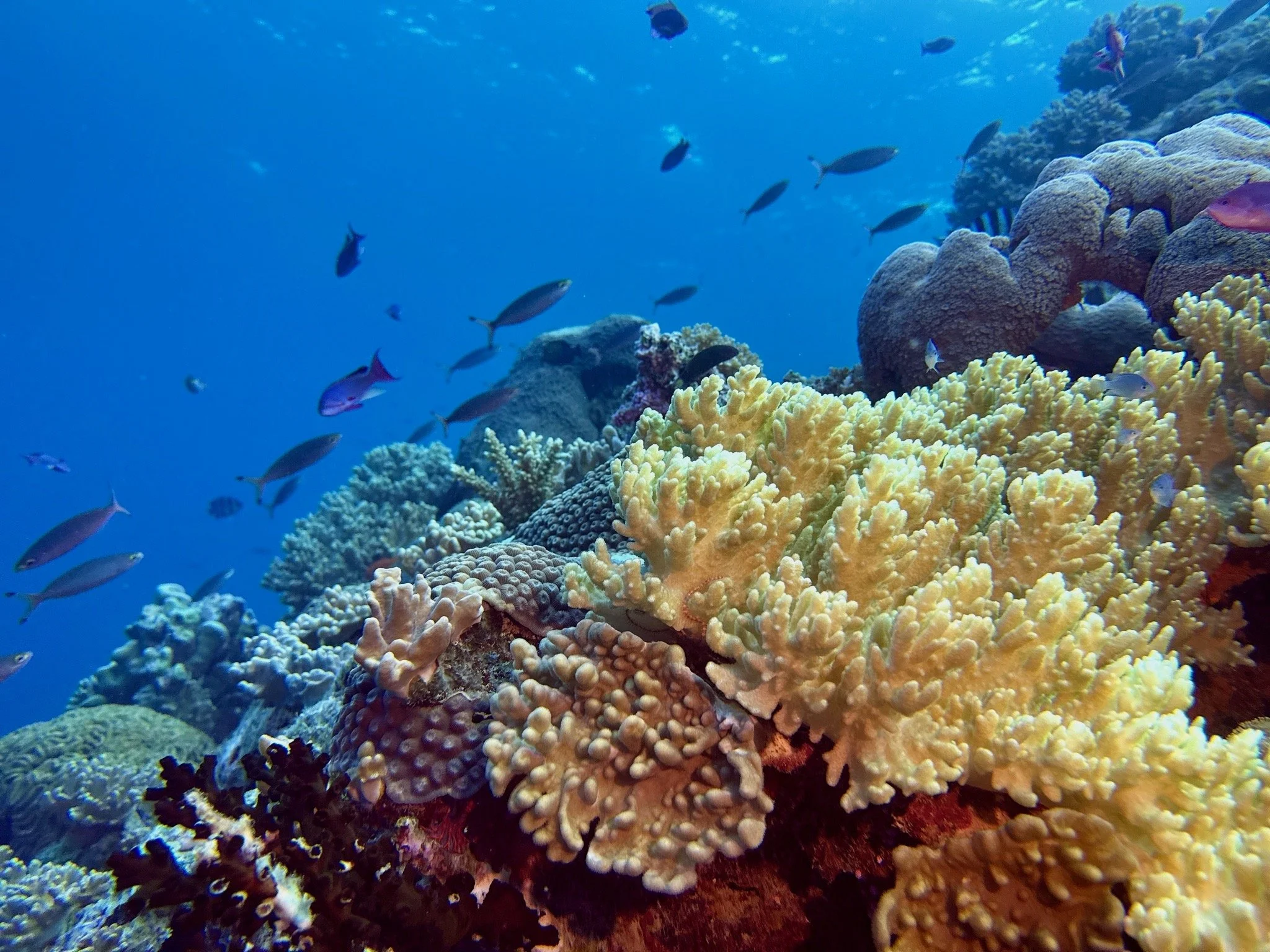
Healthy Reefs!
(Dana)
A recurring comment on my social media posts have been, “wow, what a healthy reef.” I agree 100%.
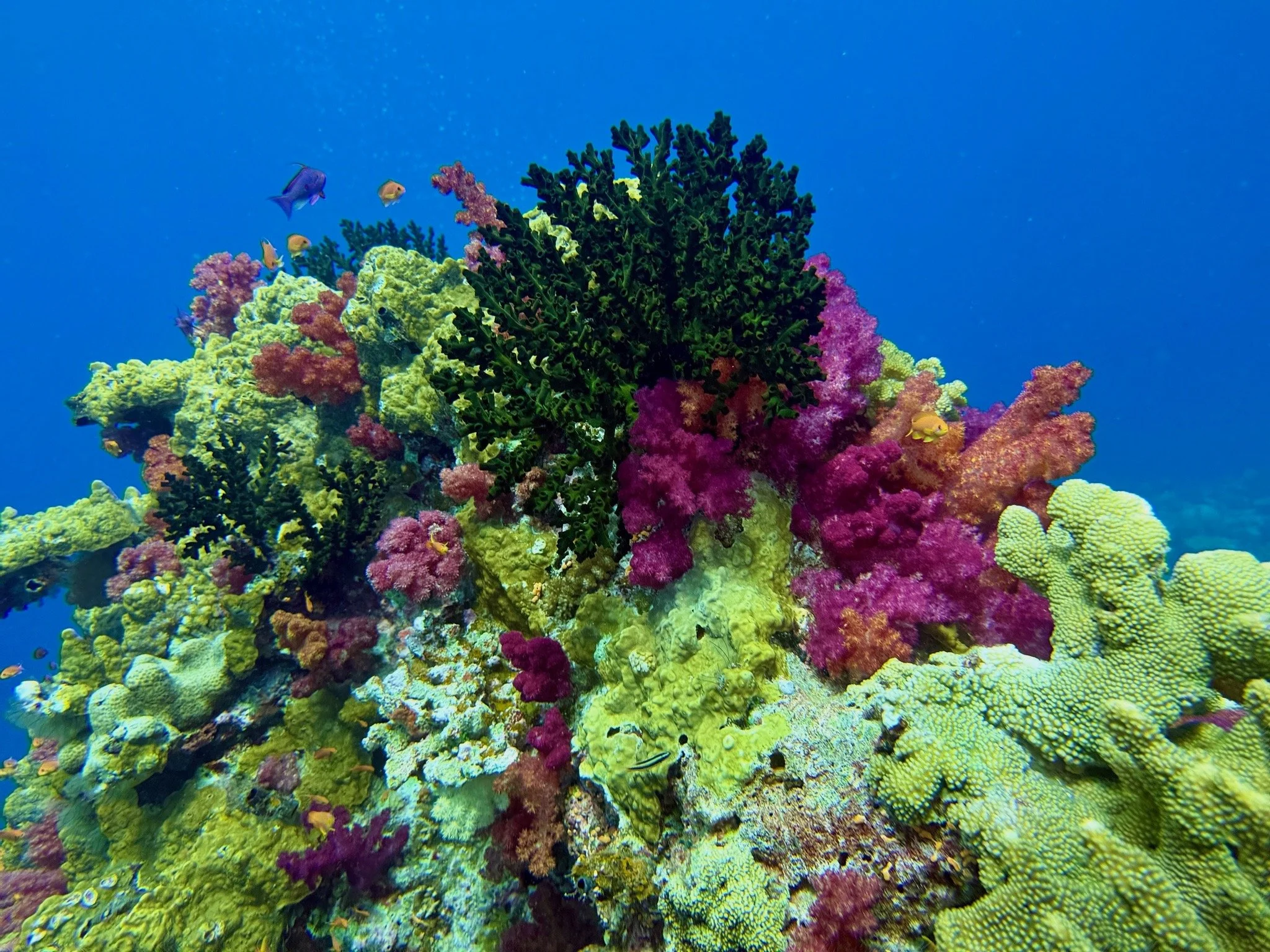
Ocean reefs are critical to our planet, providing:
Marine Life and Biodiversity: Reefs house 25% of all marine life, including thousands of fish, turtles, and plants, and are safe nurseries where young fish grow and breed safely
Coastal Protection: Reefs block up to 97% of wave energy from storms, stopping erosion, keeping shorelines safe, and preventing damage to coastal homes.
Economy: Reefs feed millions by supporting local fish stocks, while tourism boosts local island and coastal economies.
But the world’s reefs reflect the impact of 8 billion humans. Coral reefs are dying mainly due to:
rising ocean temperatures,
ocean acidification, and
local human pressures like pollution, nitrogen fertilizers and overfishing.
For anyone spending time underwater in the Western Hemisphere, you have seen this impact.
In the Caribbean, there is very little live coral, limited fish, and few reef sharks. Of course, there are counter examples, such as Bonaire, Grand Cayman or Anegada in the BVIs, but even these have diminished dramatically over the 35 years that we have been snorkeling and diving. Even Isla Providencia, where we started our Oyster World Rally, was supposed to offer amazing diving. But it had been impacted negatively by a recent hurricane. “The Garden of the Queens” on the south coast of Cuba is one of the last great barrier reefs in our hemisphere. But that is only the case because Fidel Castro went diving with Jacques Cousteau in 1984 and witnessed the underwater asset under assault from spearfishing and the US embargo has kept toxic fertilizers away from the farms, lowering the nitrogen and phosphorous runoff into the water. Not that I am condoning Cuban communism, but the reefs and fish have thrived.
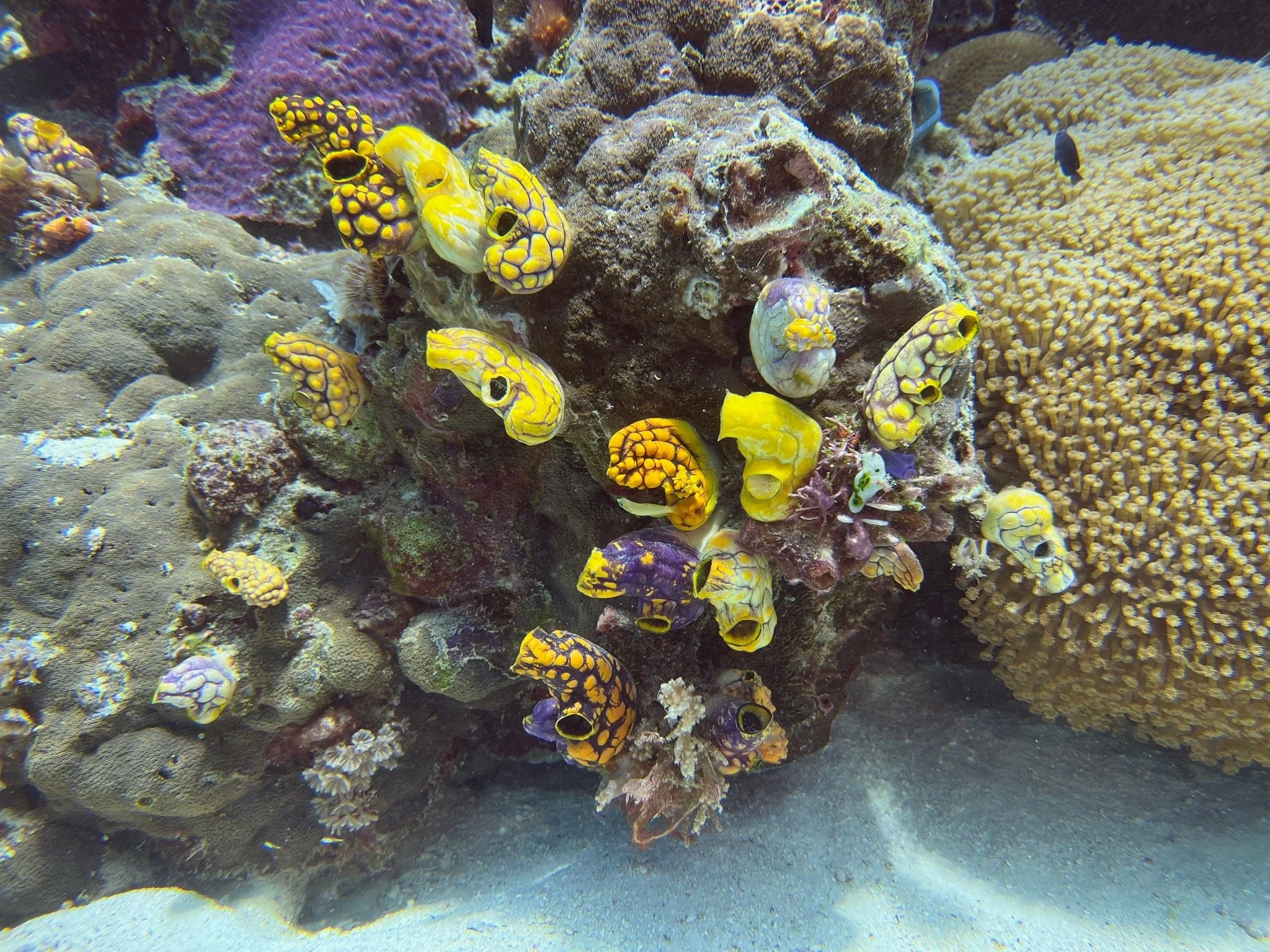
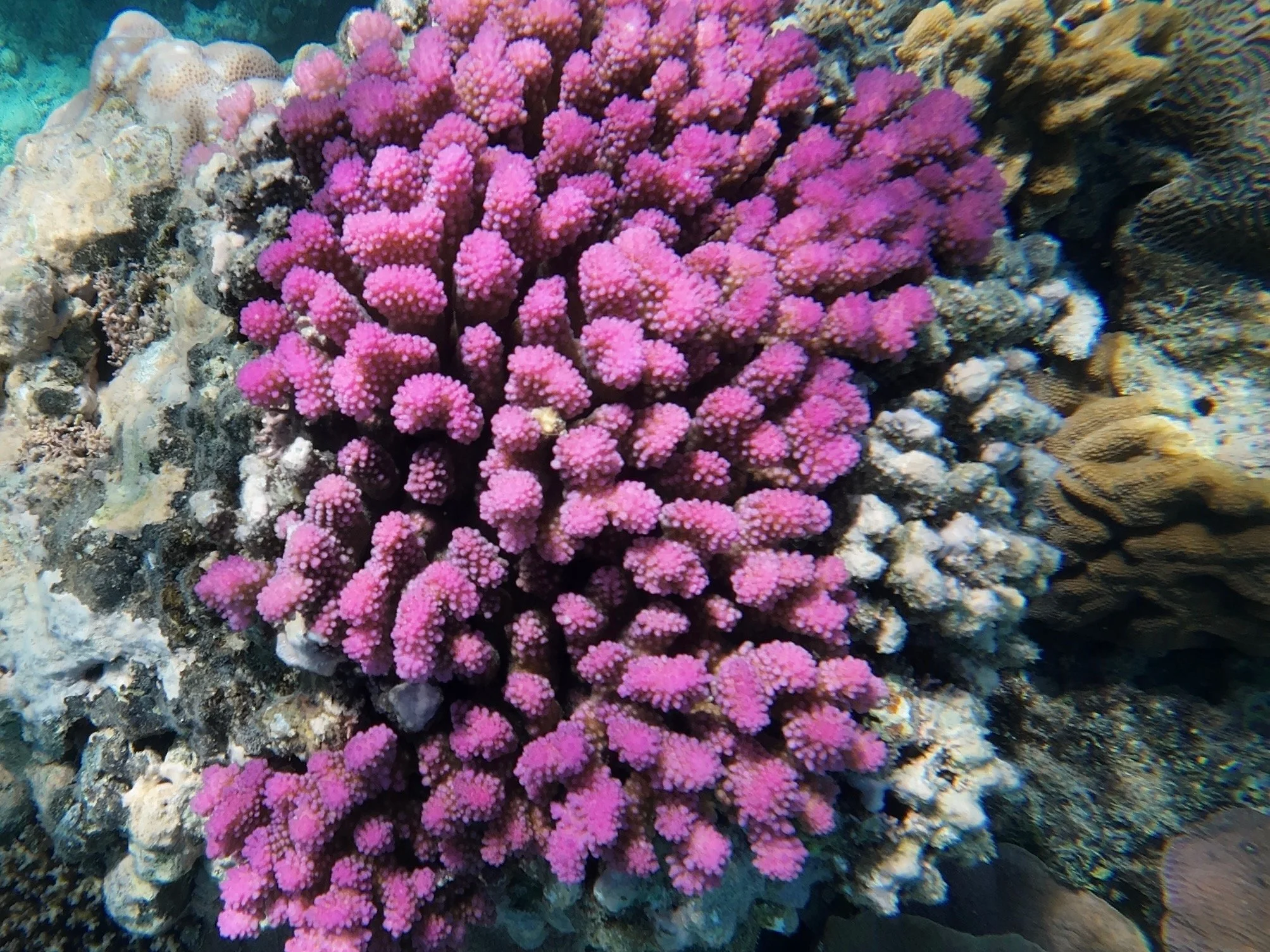
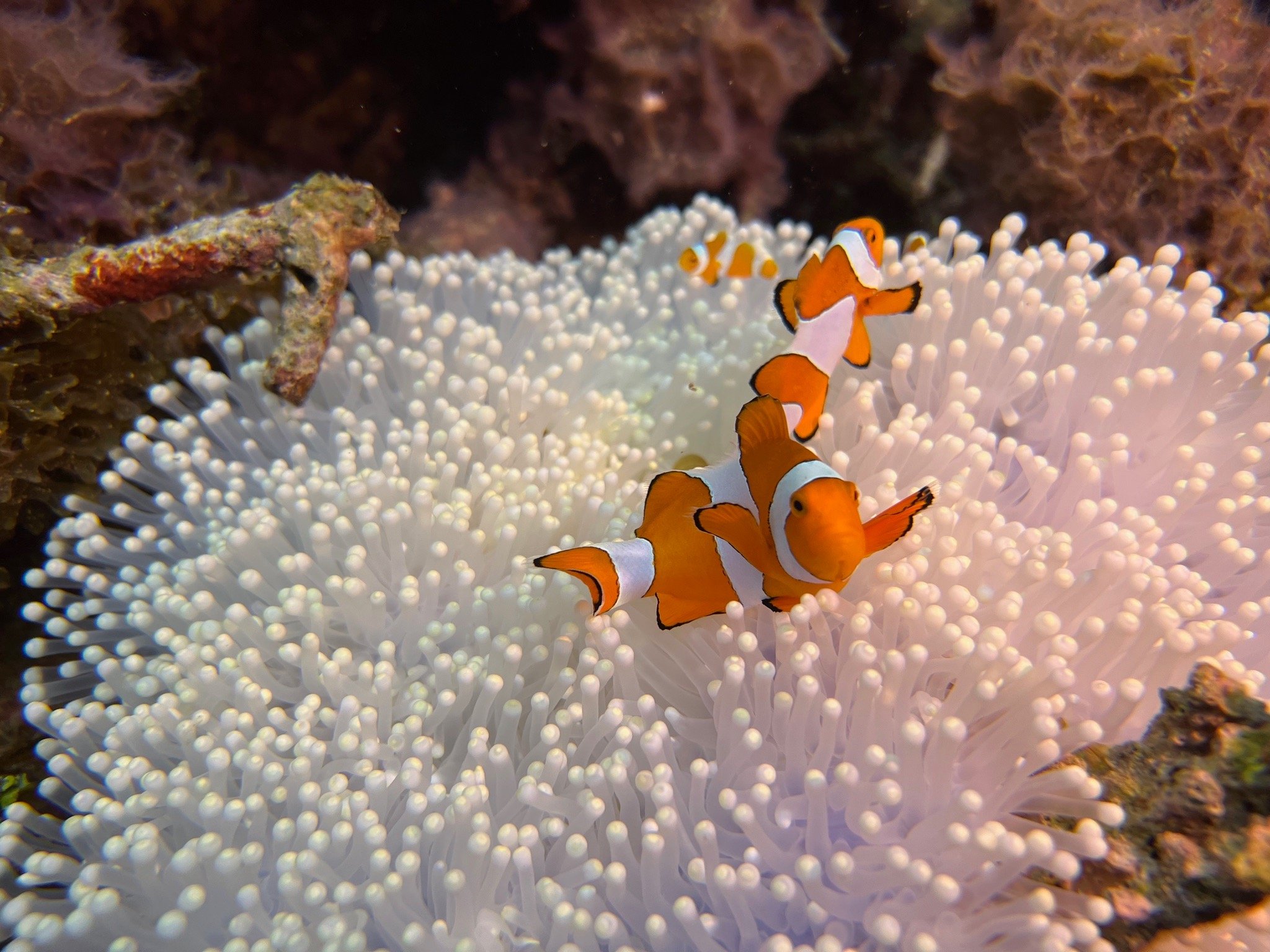
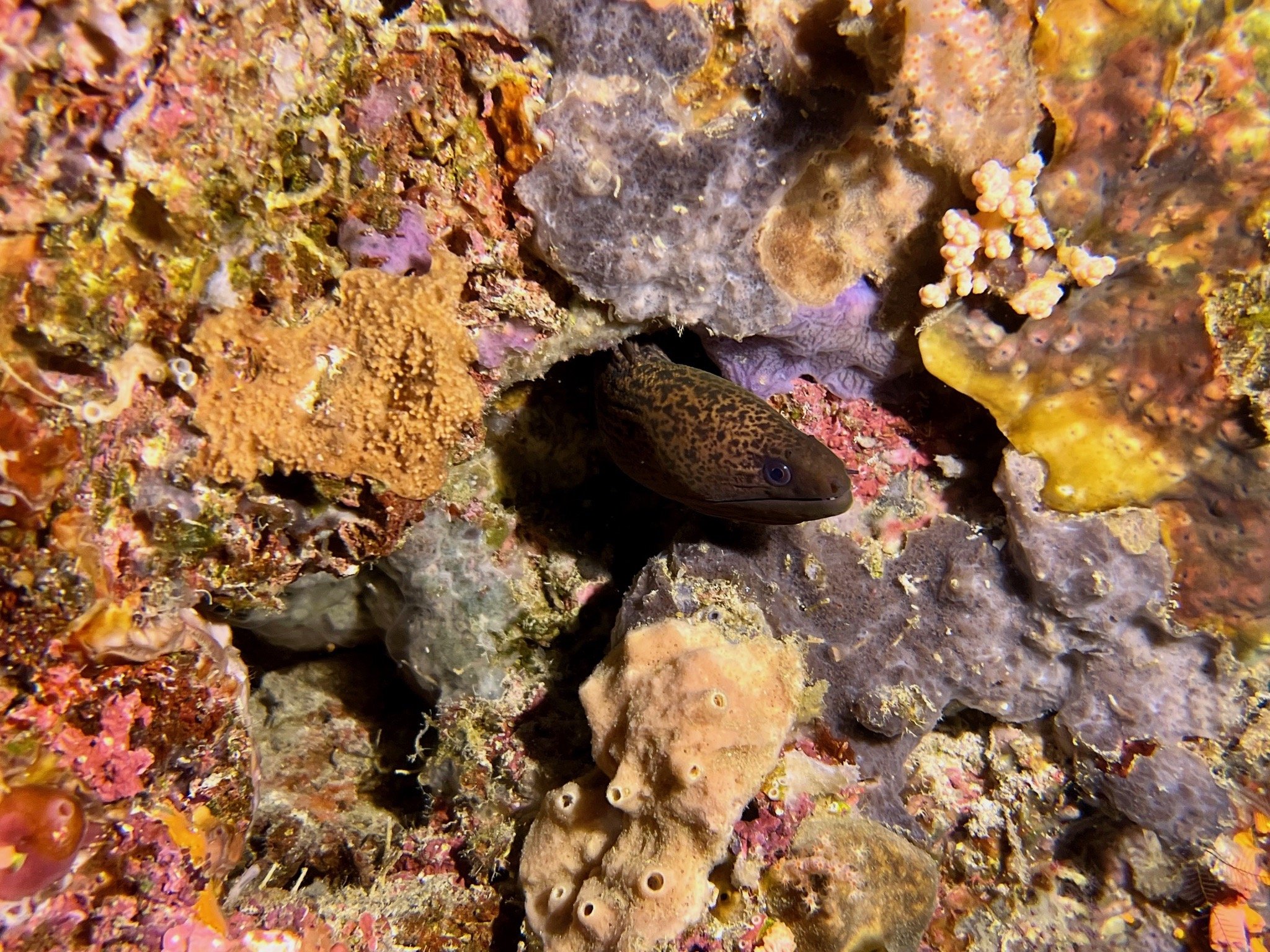
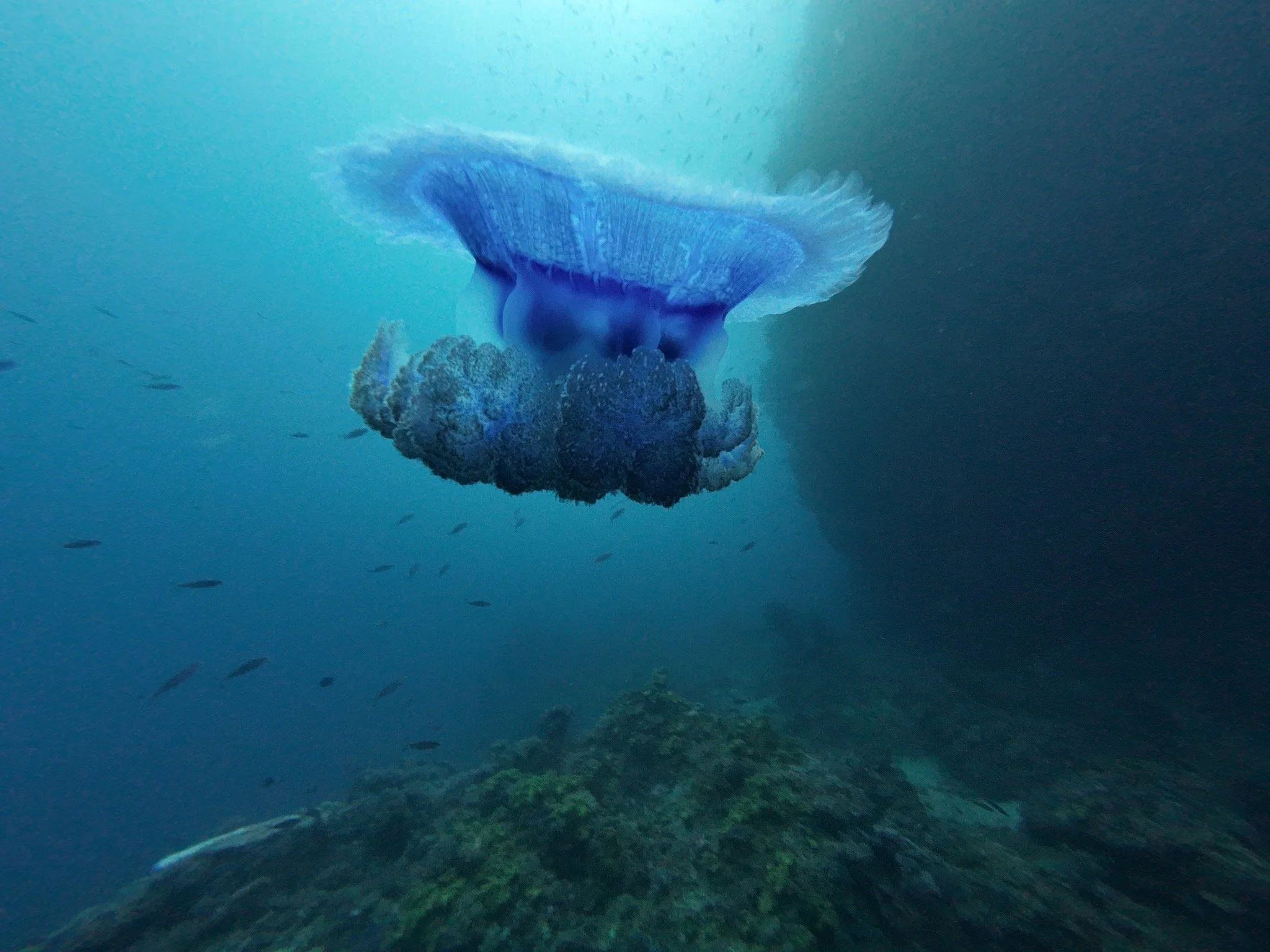
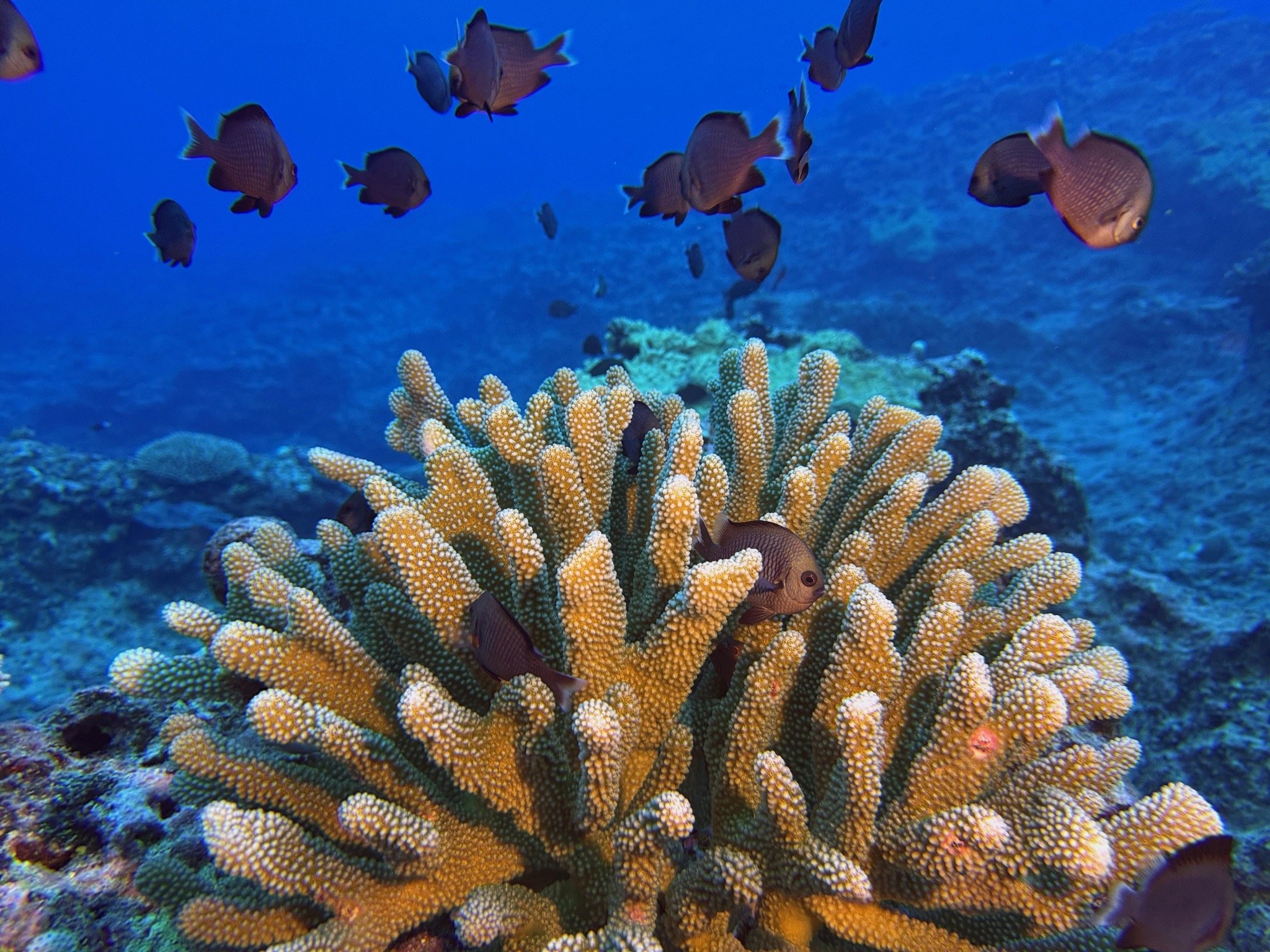
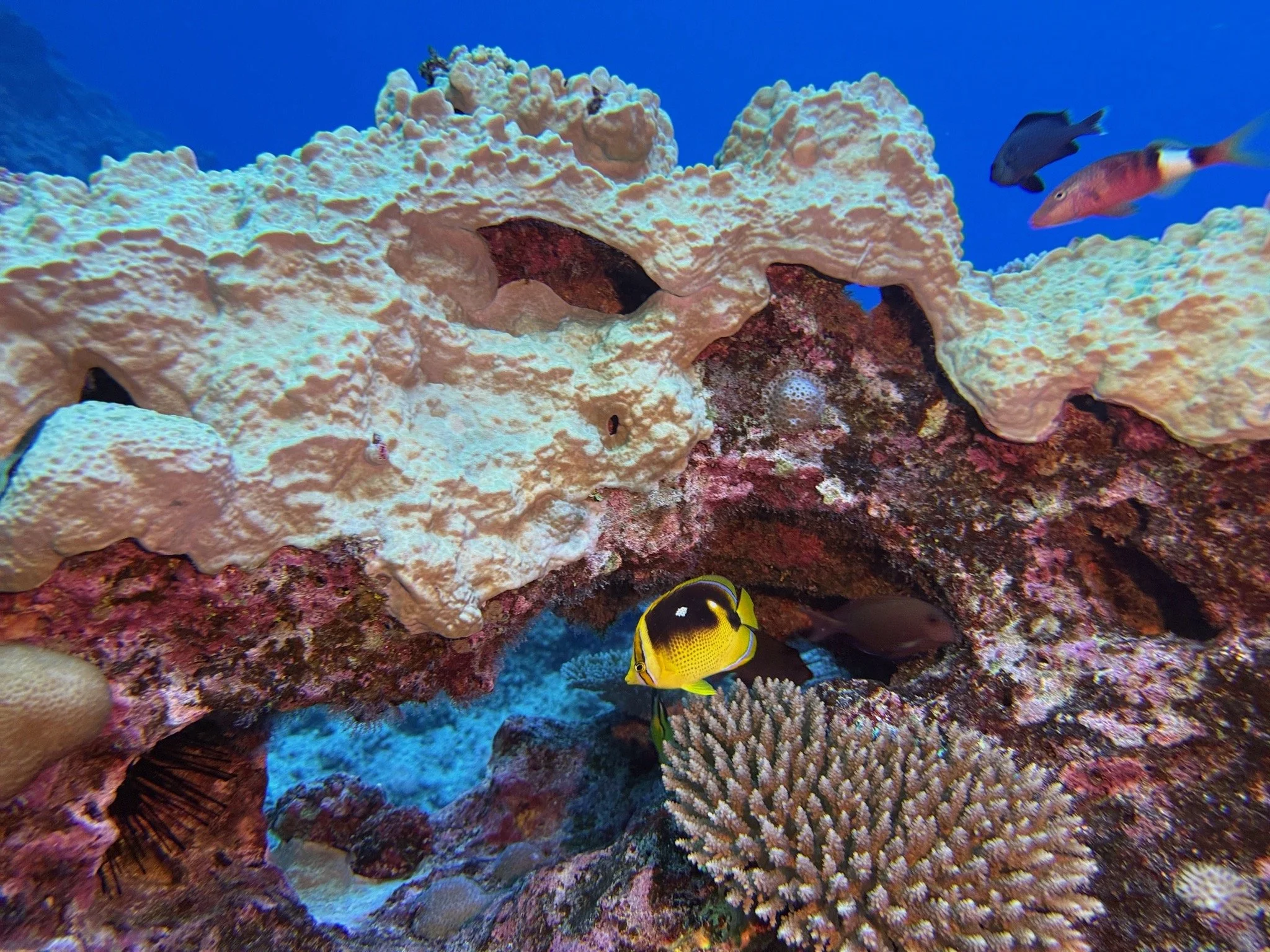
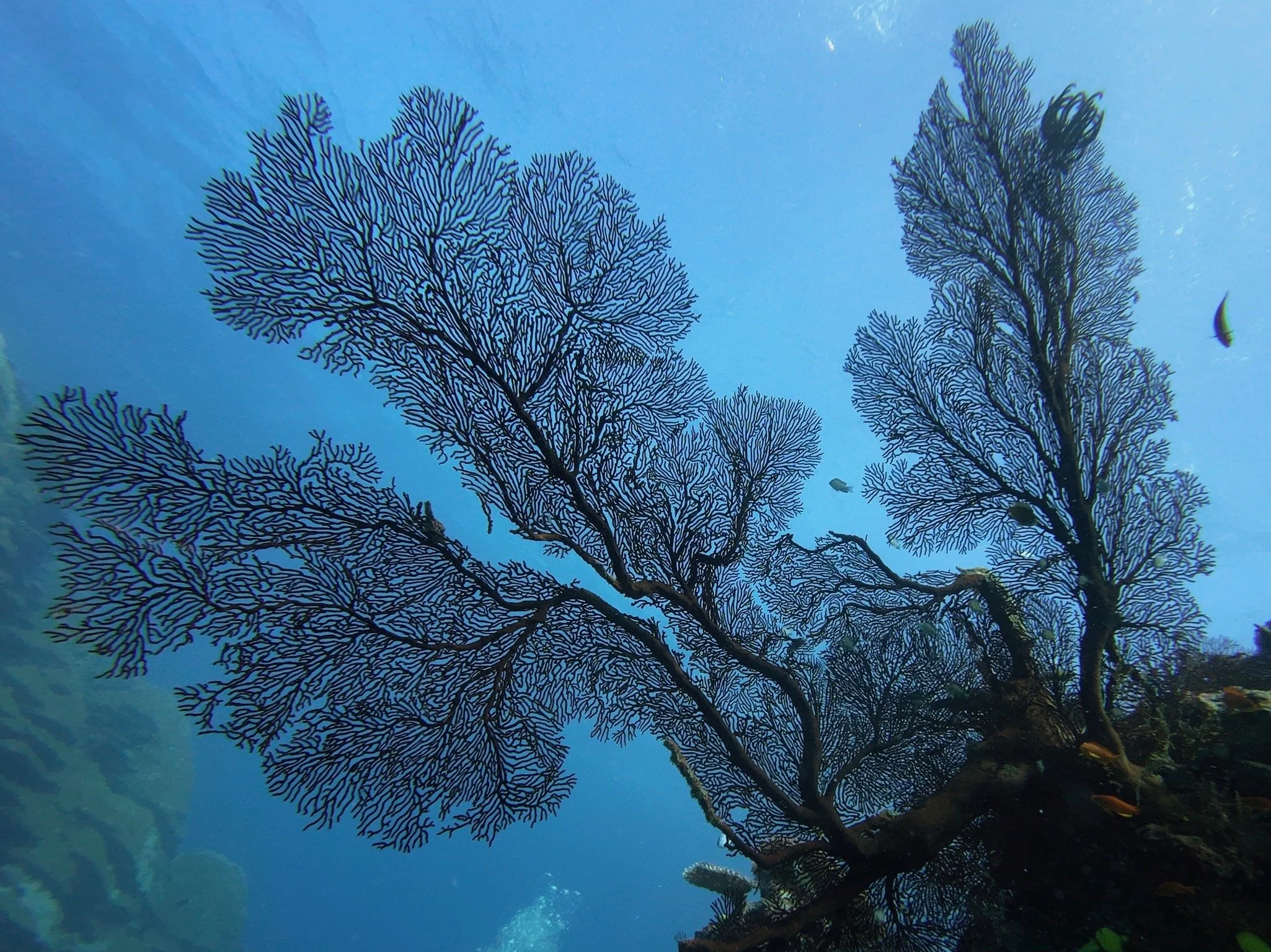
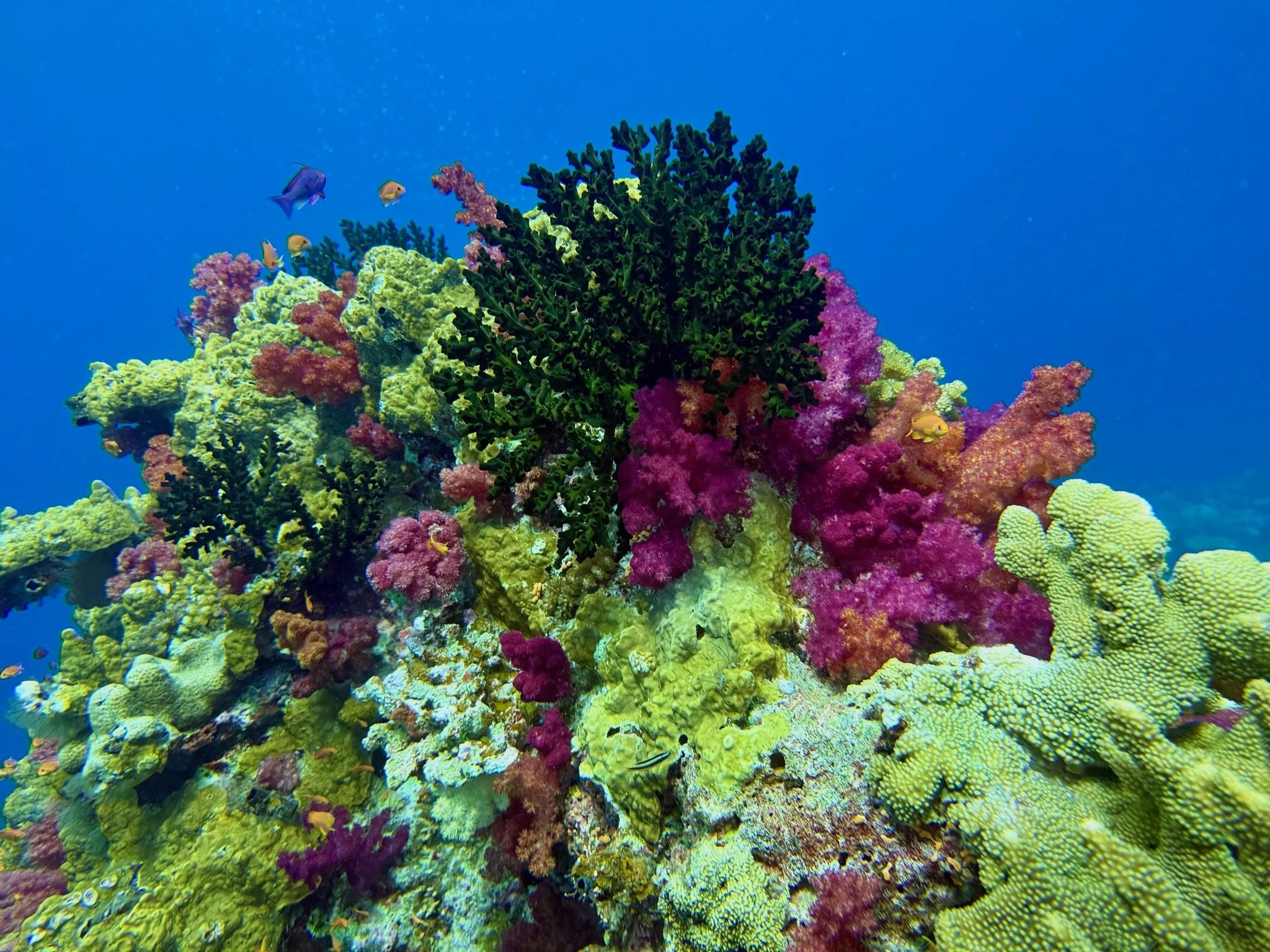
With this backdrop, we have been blown away by the health of the reefs in Fiji. From the colorful and plentiful soft corals of Rainbow Reef to the ubiquitous hard corals in essentially every anchorage. We were expecting beauty on the outer reefs, but we were pleasantly surprised by the beauty right near our anchored boat. And where there is healthy coral, there are healthy fish. Millions of baby fish. Dozens of sharks and rays. A confidence boost to all rooting for the reefs.
What can we do about it? In Moorea, we spent the morning with Coral Gardeners (https://coralgardeners.org/) who are “committed to restoring the ocean one coral at a time.” The task is painstaking. And looking at their coral farms, it feels Sisyphean (never-ending, completely useless, requiring hard, continuous work). But if not them, who? We have adopted some coral and would encourage others to do as well.
And get out and see it. If you want to experience more untouched underwater beauty, you need to go find it. Thankfully, it’s still out here; just a longer plane ride away.