The Fragility of Guna Yala
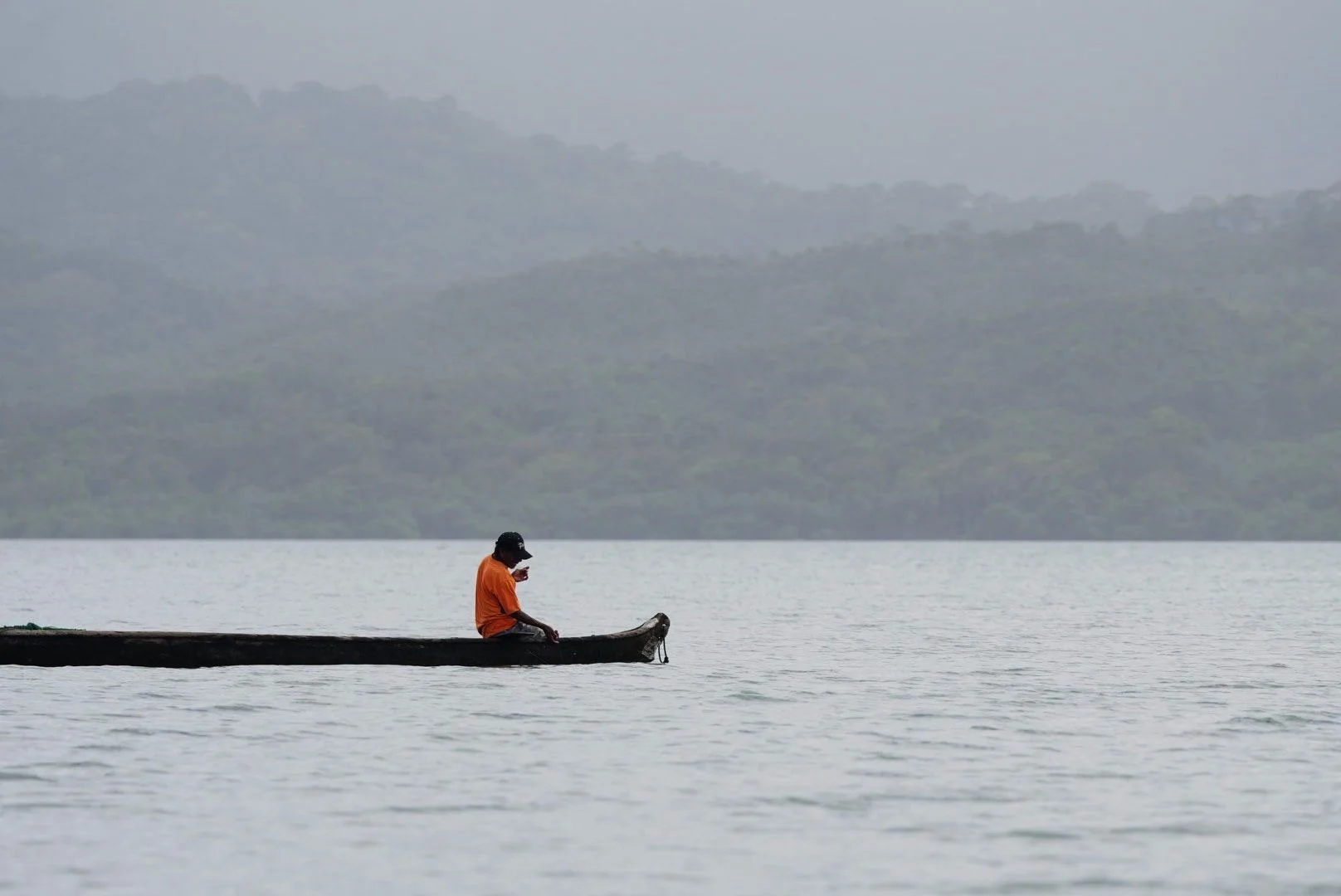
(Greg) The Guna Yala people emerged from the Darien section of the Panamanian mainland centuries ago, driven to the archipelago of little islets - then called San Blas, now Guna Yala - by the threat of conflict, yellow fever and malaria. They are a peaceful, traditional but highly insular society. Marriage outside the community of approximately 20,000 is highly discouraged.
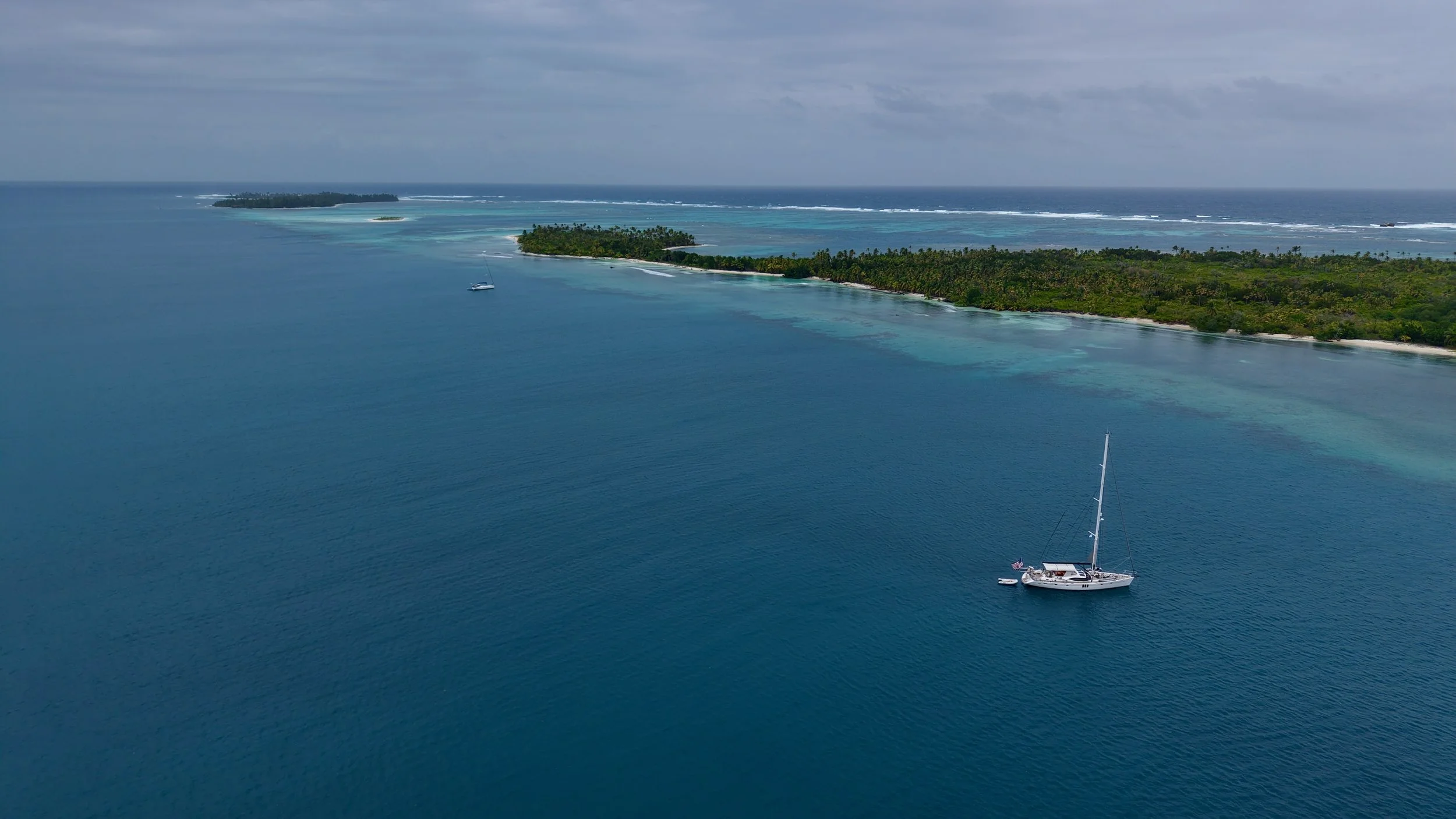
Solitude in Guna Yala
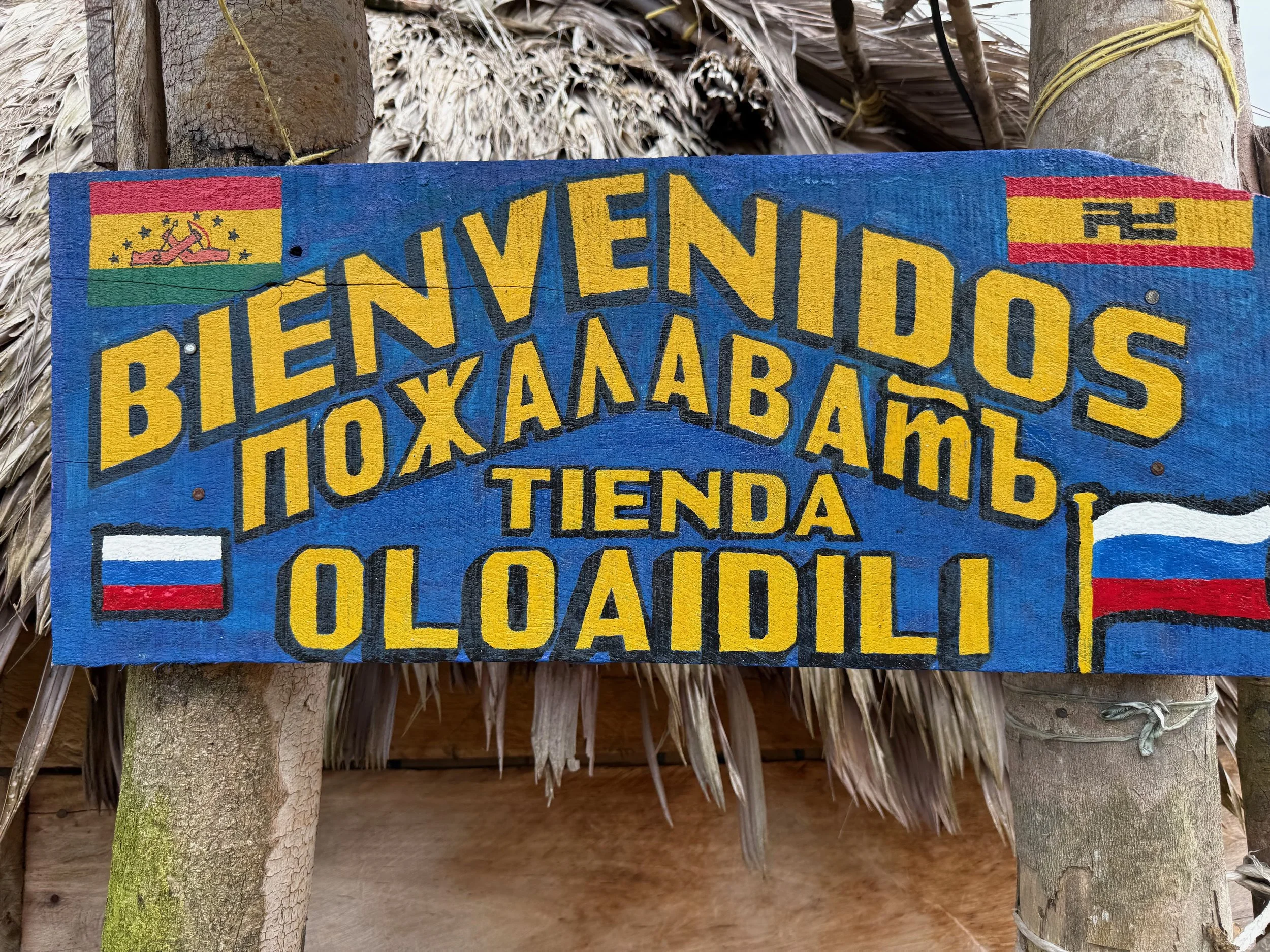
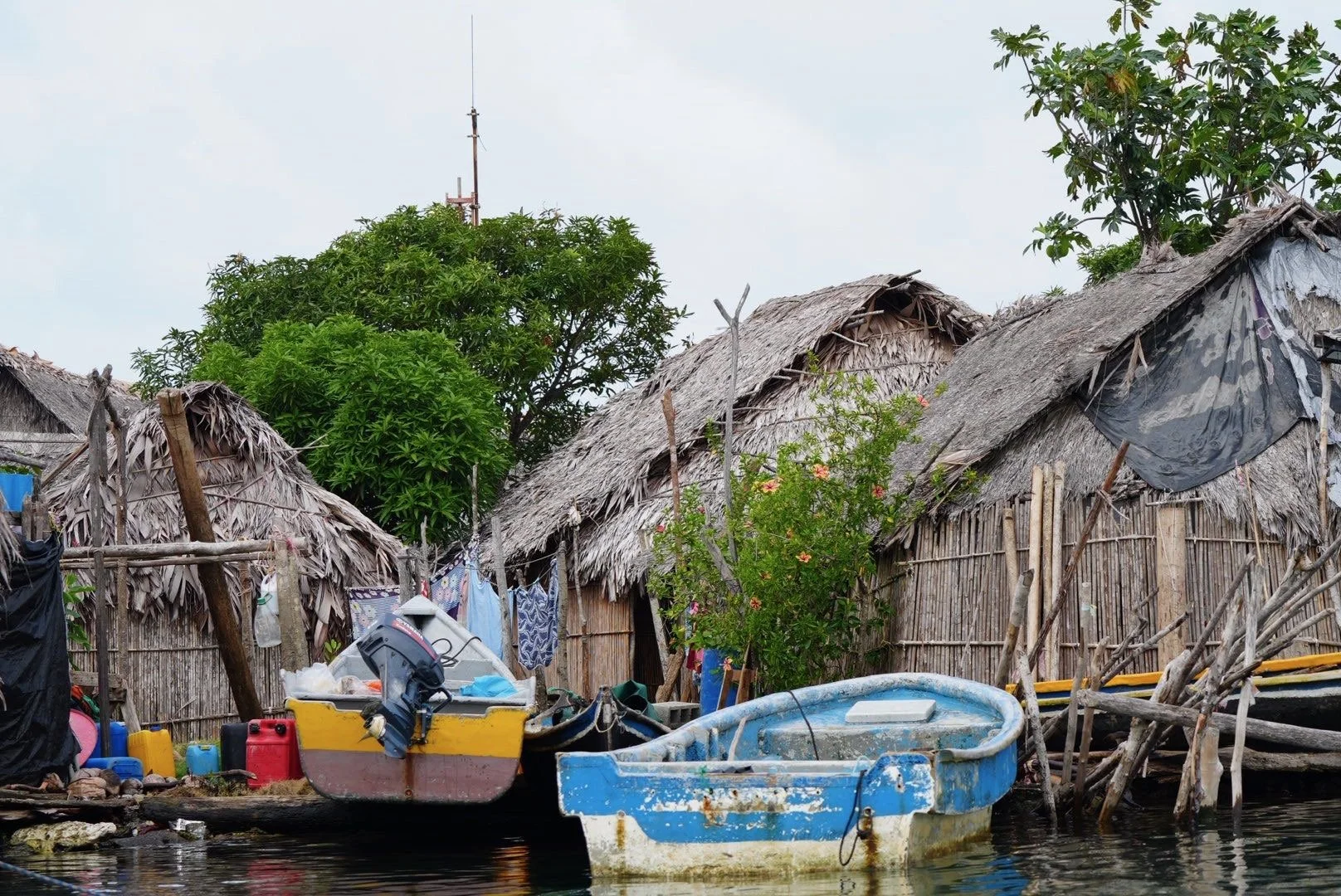
These friendly people are spread out over approximately 350 very small, very low islets formed from coral sand and the roots of palm and breadfruit trees. Perhaps only about 100 of the islets are actually populated. Some, like the community we visited to witness a celebration of a girl’s advancement to womanhood, are tightly developed with a very high concentration of small houses and a larger population of around 400 people. These islands have few trees or open space, forcing the need to travel to the nearby mainland to cultivate small gardens for vegetables. Others choose a lonelier existence, maybe just one or two families, but with more coconut trees and space for cultivation.
While the Guna people fought for and won their semi-independence from Panama in 1925, the Panamanian government still supplies piped water to every inhabited islet and requires and provides schooling to children through high school.
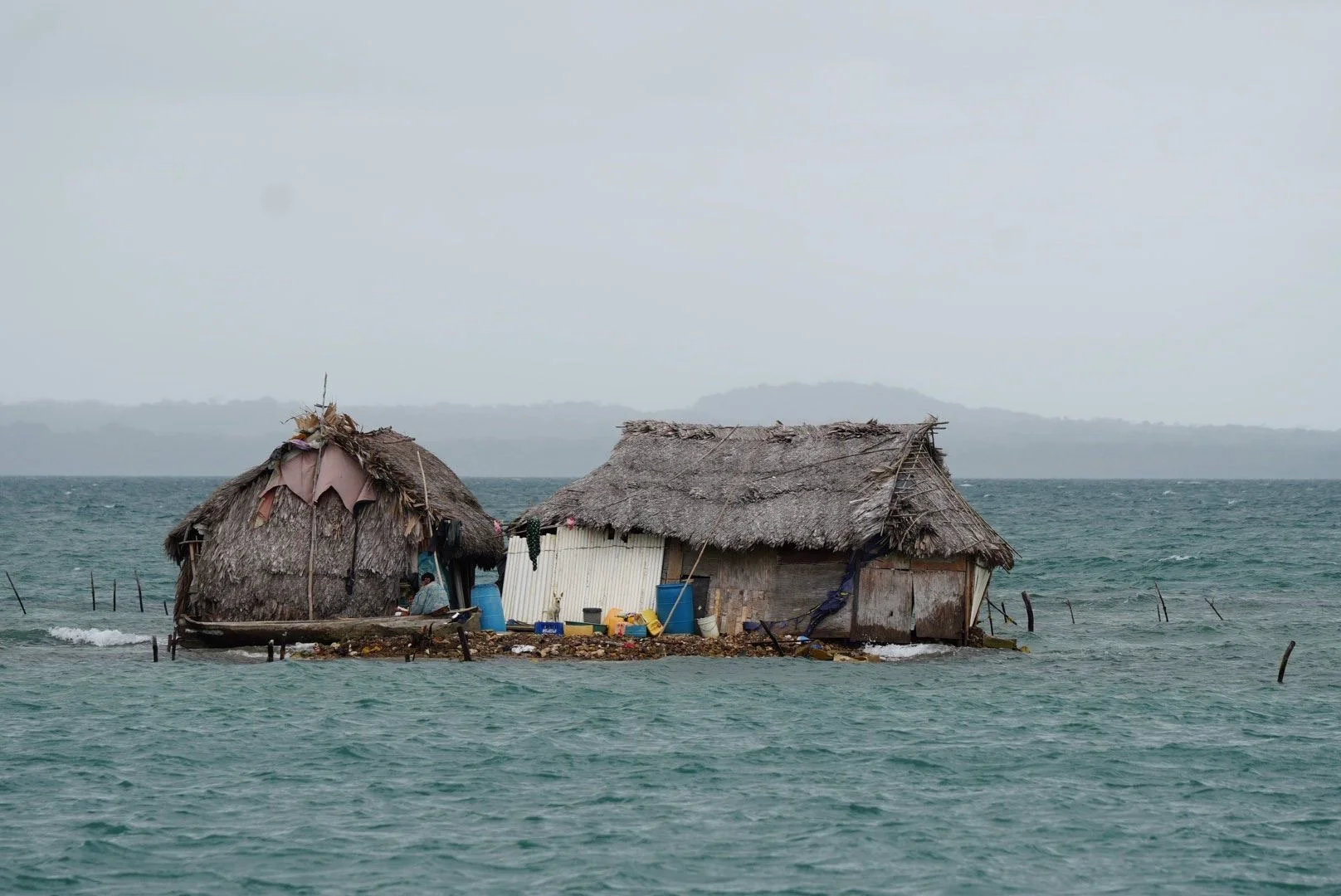
A family of 4 chose to move over here 4 years ago
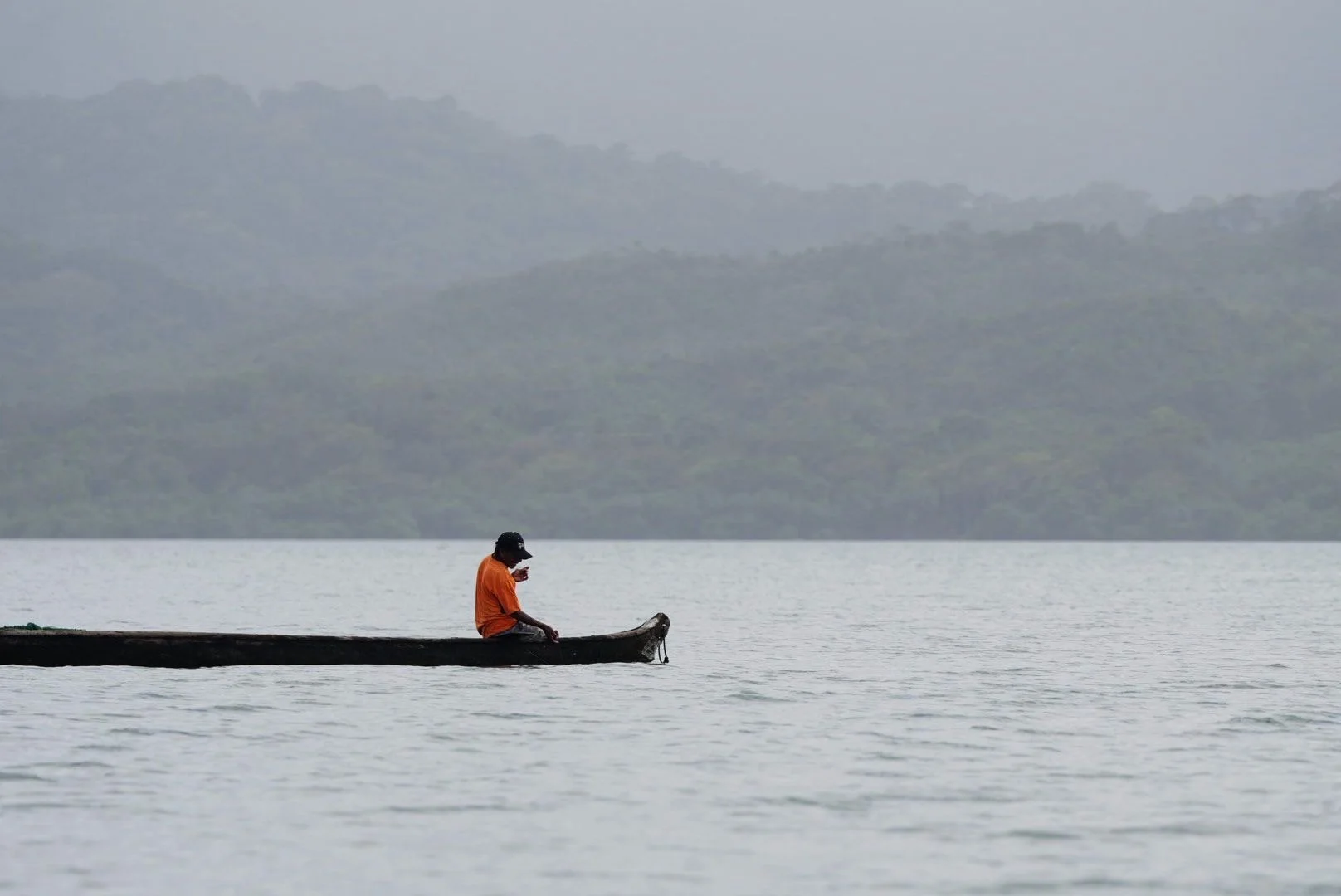
Electricity is very sparse. We have been approached by families in dugout canoes asking to charge their family cell phone on board. Some small solar panels provide dim light to a privileged few. But mostly the skyline is dark, save the mast head lights of the increasing number of visiting yachts.
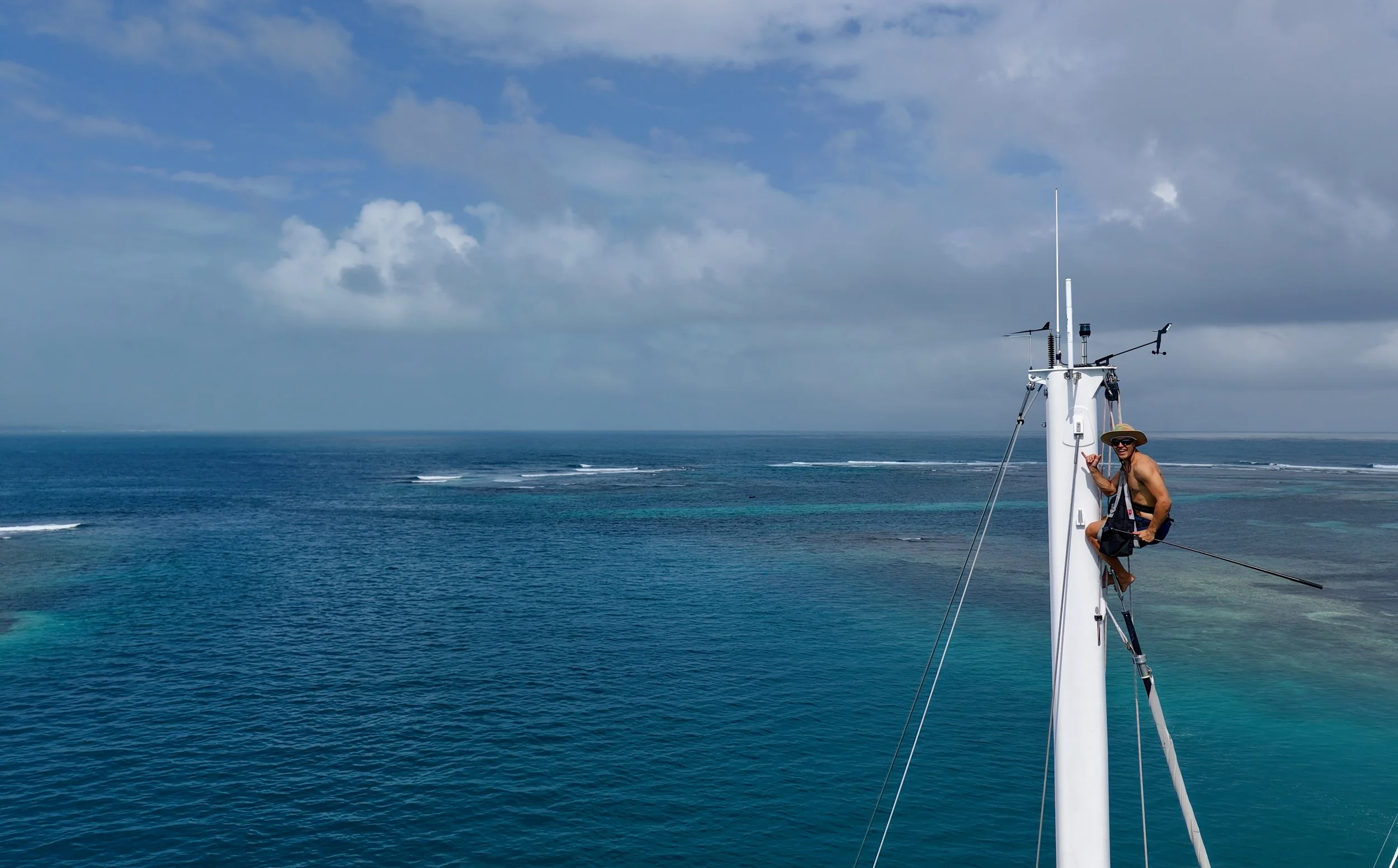
Yachts come here from around the world on an obvious stop before sailing the roughly 80 miles north to the mouth of the Panama Canal. It is an obvious stop because it is beautiful and real and culturally very unique in the Caribbean. But, like most places that are this beautiful and this real, outside forces are changing it fast. More fully loaded catamaran day trippers, more crewed and bareboat yacht charters and more yachts like ours are clogging this fragile space. Our local friend Idelfanso told us that ten years ago there were maybe ten boats. Now there are 100.
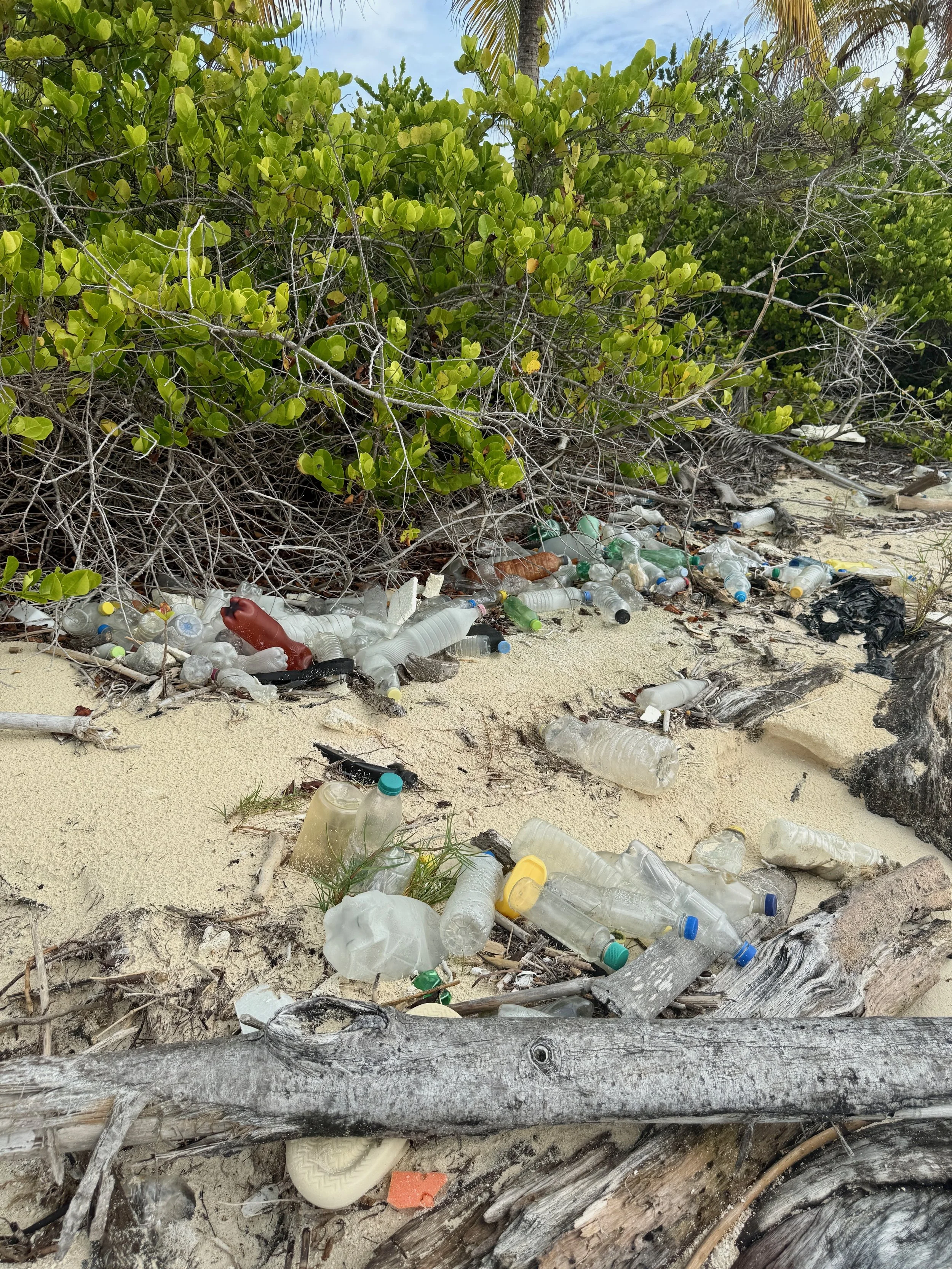
This is a beautiful but very fragile place; both culturally and ecologically. Increased traffic and increasing sea levels will invariably change this world and likely force the Guna people back to the mainland where their way of life will be subsumed by Western Culture just as their delicate sandy islands will soon fall prey to the waves. We are at the same time, privileged and saddened to be here.